

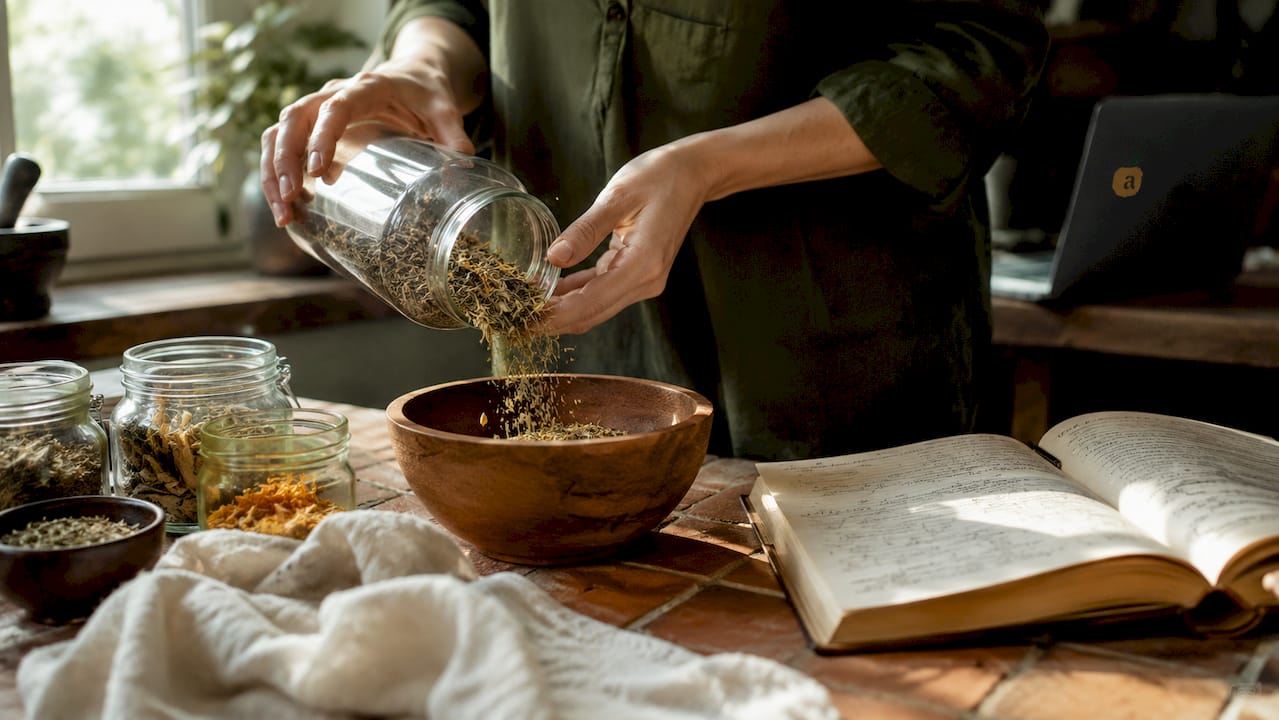
An herbal wellness protocol is a structured plan that specifies which herbs to use, in what form, at what dose, and for how long. The term “herbal wellness protocol” is the popular phrase for what practitioners in naturopathic and integrative medicine call a structured herbal regimen. Both terms mean the same thing: a deliberate, organised approach to using plant-based remedies rather than taking supplements at random. Vitaminb17 builds its entire product range around this principle. Pure extracts, no fillers, and consistent dosing make it possible to follow a real protocol rather than guessing.
What is an herbal wellness protocol and what does it include?
An herbal wellness protocol is defined as a written plan that names specific herbal preparations, their dosage, timing, and the duration of use. The WHO describes herbal medicines as including finished products and raw materials derived from plant parts, and specifies that structured protocols govern their use. That structure is what separates a protocol from simply buying a bottle of capsules and hoping for the best.
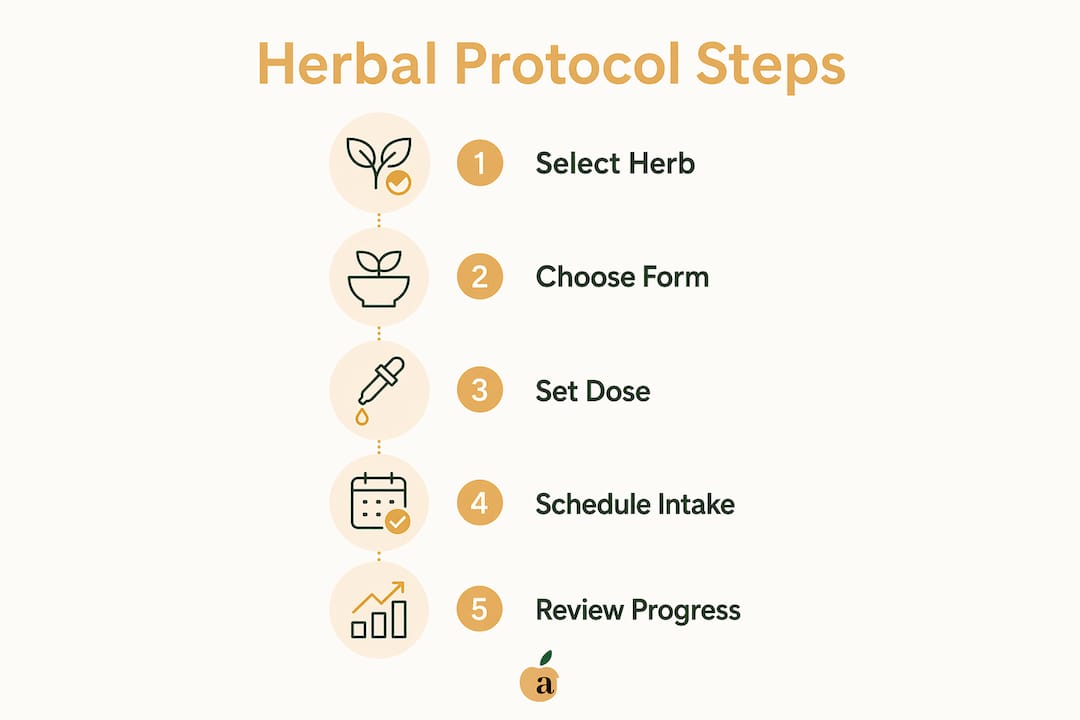
The plan covers four core elements. First, it names the herb and its form, for example a tincture, tea, standardised capsule, or raw extract. Second, it states the dose per serving. Third, it sets the timing, such as morning with food or before sleep. Fourth, it defines the duration, typically a four to twelve week cycle before reassessment.
Protocols are also personalised. Herbal protocols reflect individual health needs rather than a one-size-fits-all formula. A person managing blood pressure will follow a different plan from someone addressing digestive health. That personalisation is what gives the protocol its clinical value.
What are the main components of an herbal wellness protocol?
A well-built protocol contains several distinct layers, each serving a specific purpose.
- Herbal preparations: Teas, tinctures, standardised capsules, and raw extracts each deliver active compounds differently. Capsules like those from Vitaminb17 offer consistent dosing, which is critical for tracking effects.
- Dosage and timing: Each herb has a therapeutic window. Taking burdock root at a higher dose than recommended does not improve results and may cause harm. Timing matters too. Some herbs work best taken with food; others require an empty stomach.
- Duration and scheduling: Most protocols run in defined cycles. A typical starting cycle is four to six weeks, followed by a review period. This mirrors how protocols function like personal clinical trials, with explicit goals and follow-up built in.
- Personalisation: Age, existing conditions, current medications, and health goals all shape the protocol. A morning wellness supplement routine will look different for a 30-year-old athlete than for a 60-year-old managing joint discomfort.
- Lifestyle integration: Diet, sleep, stress management, and exercise are part of the protocol, not separate from it. Herbal remedies achieve better results when combined with lifestyle changes that address root causes.
Pro Tip: Write your protocol down before you start. A simple table listing herb, form, dose, time of day, and week number takes five minutes to create and makes it far easier to spot what is and is not working.
How does an herbal wellness protocol fit into a holistic healthcare approach?
Herbal protocols sit within the broader field of integrative and naturopathic medicine, which uses whole-person, evidence-informed practices to target root causes. Naturopathy uses herbal remedies alongside diet, stress management, and exercise as part of a least-invasive approach to care. The protocol is the practical tool that makes this philosophy concrete and measurable.
“Traditional medicine is holistic and personalised, favouring nature-based remedies to restore balance of mind, body, and environment.” — World Health Organization
That framing matters. An herbal wellness protocol is not a replacement for conventional medicine. It is a complement to it. A person taking a prescribed anticoagulant, for example, cannot simply add St John’s Wort without clinical input, because the interaction is well documented and dangerous. Coordinated care is the standard, not the exception.
The WHO highlights traditional medicine as a system that addresses the whole person rather than isolated symptoms. That means a protocol for fatigue might include an adaptogenic herb, a dietary adjustment, a sleep hygiene change, and a stress reduction practice, all running in parallel. Each element supports the others, and the combined effect is easier to sustain than any single intervention alone.
Integrative clinicians use this approach to give patients a clear framework. The protocol creates accountability. You know what you are taking, why you are taking it, and when you will assess whether it is working.
What are the key safety considerations and risks with herbal wellness protocols?
Safety is the most under-discussed aspect of herbal wellness. The public misconception that natural equals safe is a documented problem. Adverse reactions to herbal medicines include serious herb-drug interactions and adverse reaction signals that require active monitoring, not passive assumption.
The regulatory gap makes this more pressing. Herbal supplements lack strict FDA pre-market efficacy testing. Manufacturers are responsible for safety, and the FDA acts only after concerns arise. That means the quality and safety of a product depends heavily on the manufacturer’s standards. This is precisely why Vitaminb17’s commitment to no fillers, no binders, and standardised extracts matters in practice.
The key safety steps in any protocol are:
- Disclose everything to your healthcare provider. Johns Hopkins Medicine advises that people should not self-prescribe herbal supplements. Clinician input ensures safety and effective care.
- Check for herb-drug interactions. Blood thinners, antidepressants, and immunosuppressants all carry documented interaction risks with common herbs.
- Start with one herb at a time. Adding multiple herbs simultaneously makes it impossible to identify the cause of any reaction.
- Include a stop plan. Know in advance which symptoms, such as rash, dizziness, or nausea, require you to stop and seek medical advice.
- Track symptoms weekly. A simple log of energy, digestion, sleep, and any new symptoms gives you and your clinician the data needed to make good decisions.
The table below compares supervised and unsupervised herbal use across key safety dimensions.
| Safety dimension | Supervised protocol | Unsupervised use |
|---|---|---|
| Interaction screening | Completed before starting | Rarely performed |
| Dosage accuracy | Clinician-verified | Self-estimated |
| Adverse event monitoring | Structured and regular | Inconsistent or absent |
| Stop criteria | Defined in advance | Reactive and unclear |
| Regulatory awareness | Factored into product selection | Often overlooked |
Pro Tip: Before starting any new herb, check the allergen-free supplement guide to rule out sensitivity risks, particularly if you have known food allergies or intolerances.
How to start and monitor an herbal wellness protocol effectively?
Starting a protocol well is more important than starting it quickly. Rushing into multiple herbs without a clear plan is the most common mistake, and it makes it impossible to evaluate what is actually working.
- Set a specific goal. “I want to support liver function over eight weeks using dandelion root extract” is a protocol. “I want to feel better” is not. Specific goals create measurable outcomes.
- Select quality products. Standardised extracts provide consistent active compound levels. Vitaminb17’s Dandelion Root Capsules 5000mg and Burdock Root Capsules are examples of single-herb, high-potency options that fit cleanly into a structured plan.
- Coordinate with a healthcare provider. Share your full supplement list, including doses and timing. Clinician coordination is the single most effective safety measure available.
- Run a defined cycle. Four to six weeks is a practical starting point. Assess at the end of the cycle before extending or adjusting.
- Track effects and reactions weekly. Note energy levels, digestion, sleep quality, and any new symptoms. This data is what allows you to make informed adjustments rather than guesses.
- Know when to stop. Johns Hopkins Medicine advises that symptoms such as rash, dizziness, or unusual fatigue are signals to stop the protocol and seek medical advice promptly.
A follow-up review at the end of each cycle is not optional. It is the mechanism that turns a supplement habit into a genuine herbal protocol for healing.
Key takeaways
A herbal wellness protocol works because it combines structured dosing, personalised herb selection, and clinical oversight into a single, measurable plan.
| Point | Details |
|---|---|
| Definition is specific | A protocol names the herb, form, dose, timing, and duration. Random use is not a protocol. |
| Personalisation is required | Protocols reflect individual health goals, conditions, and medications, not generic recommendations. |
| Safety needs active management | Herb-drug interactions and adverse reactions require disclosure, monitoring, and a defined stop plan. |
| Regulation gaps exist | Herbal supplements are not pre-market tested for efficacy; product quality depends on the manufacturer. |
| Structure drives results | Defined cycles with weekly tracking and a follow-up review separate effective protocols from guesswork. |
Why I think most people get herbal protocols completely wrong
Most people treat herbal supplements the way they treat a multivitamin: take one daily and assume something good is happening. That approach wastes money and, in some cases, creates real risk. The documented adverse reactions from unsupervised herbal use are not rare edge cases. They are predictable outcomes of unstructured use.
What I have found consistently is that the people who benefit most from natural health practices are the ones who treat their protocol like a short clinical trial. They define a goal, choose one or two quality herbs, set a timeline, and track what happens. They also tell their GP. That last step is the one most people skip, and it is the one that matters most.
The other thing worth saying plainly: not all herbal products are equal. A product with fillers, inconsistent extract ratios, or undisclosed additives cannot be used in a real protocol because you cannot control the dose. Purity is not a marketing claim. It is a functional requirement for any protocol to work as intended.
Herbal wellness is not complicated. It just requires the same discipline you would apply to any other health intervention. Set a goal, use clean products, track the results, and adjust based on evidence.
— Jade
Vitaminb17 products built for structured herbal protocols
Vitaminb17 offers a range of pure, raw, single-herb extracts with no fillers and no binders. Every product is designed to fit cleanly into a structured protocol, with standardised extract ratios that make consistent dosing possible.

Whether you are building your first protocol or refining an existing one, the guide to stacking herbal supplements covers how to combine herbs safely and effectively. For a broader view of what is available, the wellness-supporting botanicals guide maps out the full range of plant-based options by health goal. Pure. Strong. No compromise on quality.
FAQ
What is the difference between herbal therapy and a wellness protocol?
Herbal therapy refers broadly to the use of plant-based remedies for health. A herbal wellness protocol is a specific, structured plan that defines which herbs to use, at what dose, and for how long, making it measurable and adjustable.
Do herbal supplements need to be approved before sale?
Herbal supplements are not subject to strict pre-market efficacy testing by the FDA. Manufacturers hold responsibility for safety, and regulatory action occurs only after concerns are reported.
Can I take herbal supplements alongside prescription medication?
Herb-drug interactions are documented and can be serious. Always disclose all supplements to your healthcare provider before starting a protocol, particularly if you take anticoagulants, antidepressants, or immunosuppressants.
How long should an herbal wellness protocol last?
Most protocols run for four to six weeks before a formal review. Johns Hopkins Medicine recommends treating protocols like short clinical trials, with defined goals, timelines, and a follow-up assessment to evaluate safety and effectiveness.
Is it safe to self-prescribe an herbal wellness protocol?
Self-prescribing without clinical input carries real risk. Johns Hopkins Medicine advises discussing all supplement use with a healthcare provider to ensure safe, effective care and to screen for potential interactions.


