

Amygdalin is a cyanogenic glycoside found in the seeds of fruits such as apricots, bitter almonds, peaches, and plums, and it releases toxic hydrogen cyanide when metabolised in the gut. Researchers classify it as a naturally occurring plant defence compound, not a vitamin or nutrient. You may have encountered it under the names laetrile or vitamin B17, though both terms carry significant chemical and regulatory distinctions. This article explains what amygdalin is, where it comes from, what the science actually shows, and what you need to know before considering any supplement containing it.
What is amygdalin and where does it come from?
Amygdalin is a cyanogenic glycoside derived from the amino acid phenylalanine, found mainly in the seeds of Prunus species, including apricots, bitter almonds, peaches, and plums, as well as in some legumes. The compound exists as part of a plant defence system. Enzymes and the substrates needed to produce cyanide are stored separately within plant tissues, but mix when damaged, releasing cyanide as a deterrent against insects and animals.
Laetrile is a semi-synthetic derivative of amygdalin, developed in the 1950s, and is chemically distinct from the natural compound, though the two terms are widely confused. The label “vitamin B17” is a marketing term with no scientific basis. The National Cancer Institute and leading experts confirm that vitamin B17 is a misnomer. Amygdalin has no recognised physiological role in the human body and does not meet any definition of a vitamin.
Natural sources of amygdalin: what foods contain it?
Amygdalin occurs across a range of common foods, but concentrations vary considerably between species and even between varieties of the same plant. The highest concentrations appear in bitter almonds and apricot kernels. Apple pips, cherry stones, and peach stones also contain measurable amounts, though typically at lower levels than apricot kernels.
| Food source | Amygdalin presence |
|---|---|
| Bitter almonds | Very high |
| Apricot kernels | High |
| Peach and plum stones | Moderate |
| Apple pips | Low to moderate |
| Manioc root (cassava) | Variable, processing reduces levels |
| Sweet almonds | Trace amounts |
The European Food Safety Authority (EFSA) advises that adults consume no more than three raw apricot kernels per day. Children face a stricter limit of half a kernel per day due to their lower body weight and the proportionally higher cyanide exposure this creates. These limits exist because even small amounts of raw apricot kernels can deliver a cyanide dose sufficient to cause serious harm.
Key points about dietary exposure:
- Small amounts of amygdalin in a balanced diet are generally safe when consumption guidelines are followed.
- Cooking and processing reduce amygdalin levels in foods such as cassava.
- Concentrated supplements carry far higher amygdalin loads than whole foods.
- Bitter almonds sold in the UK are typically heat-treated to reduce cyanide risk.
Pro Tip: If you eat apricot kernels as part of a natural health routine, stick to the EFSA limit of three kernels per day as an adult. Never exceed this amount, and keep kernels away from children entirely.
What are the claimed benefits and history of laetrile?
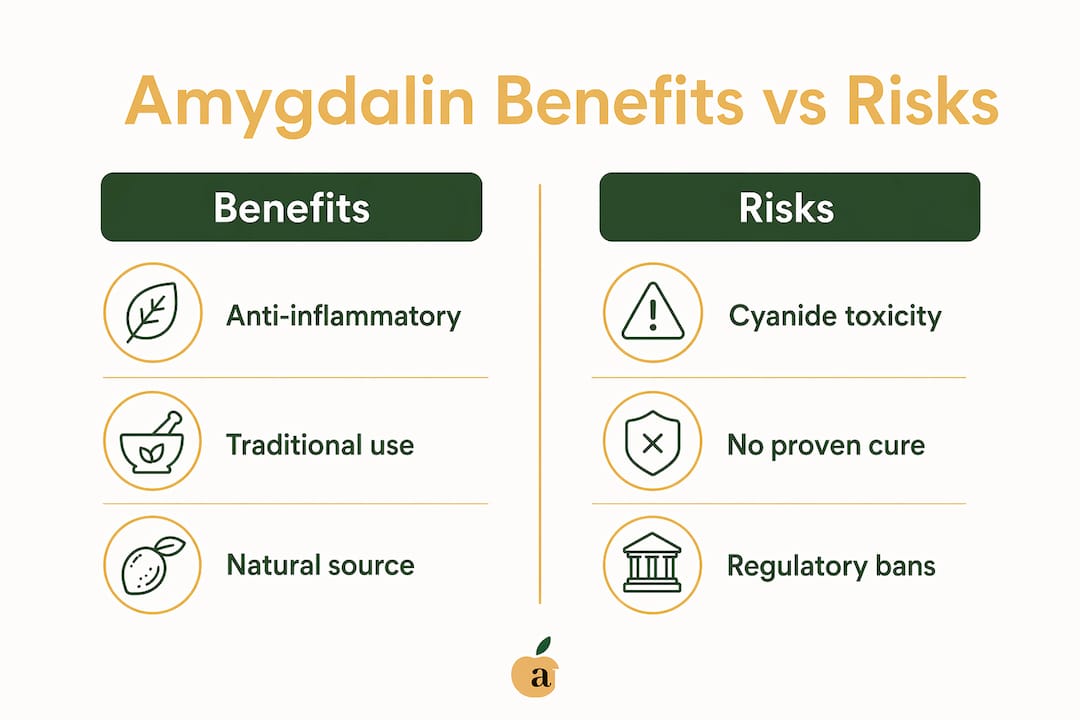
Amygdalin gained widespread attention in the mid-20th century as an alternative cancer treatment, primarily in the form of laetrile. Proponents argued that cyanide released from amygdalin would selectively destroy cancer cells while leaving healthy tissue unharmed. This claim drove significant demand for laetrile injections and oral supplements across the United States and Mexico from the 1950s through the 1980s.

The term “vitamin B17” was coined as a marketing strategy to position amygdalin as an essential nutrient rather than an unproven drug. This framing misled many people into believing it was both safe and necessary for health. The label persists today despite having no support from any recognised nutritional authority.
Purported benefits that circulate in natural health communities include:
- Anti-cancer properties through targeted cyanide release
- Anti-inflammatory effects based on laboratory studies
- Antifibrotic activity observed in animal models
- General antioxidant support
Laboratory studies conducted between 2020 and 2025 have observed anti-inflammatory and antifibrotic effects in cell cultures and animal models. These findings are real but limited. No clinical trial in humans has confirmed these effects translate into a therapeutic benefit. The gap between in vitro results and human outcomes is wide, and it matters.
What does the science say about amygdalin’s safety and effectiveness?
The clinical evidence on amygdalin is clear and consistent. A landmark 1982 Mayo Clinic trial involving 175 cancer patients found no benefit from laetrile treatment. Tumours did not shrink, survival did not improve, and several patients showed signs of cyanide toxicity. This remains the most cited controlled study on the subject.
The FDA has maintained import alerts on laetrile since 2019, citing both lack of effectiveness and documented safety risks. Significant cyanide poisoning cases have been reported following ingestion of amygdalin supplements, particularly from concentrated apricot kernel products. These are not theoretical risks. They are recorded medical events.
Risks associated with amygdalin consumption include:
- Acute cyanide poisoning from high doses
- Nausea, vomiting, and headache at lower doses
- Dangerous interactions with high-dose vitamin C, which accelerates cyanide release
- Delayed toxicity from supplement accumulation
Medical oncologists regard amygdalin use as a classic example of medical misinformation with serious toxicity risk due to unpredictable cyanide release.
No regulatory body in the UK, EU, or US has approved amygdalin or laetrile as a treatment for any condition. Consulting a qualified healthcare provider before using any supplement containing amygdalin is not optional. It is the minimum responsible step.
How does amygdalin metabolise in the body?
Understanding why amygdalin poses a risk requires a basic grasp of how the body processes it. The metabolic pathway is straightforward but dangerous.
- You ingest amygdalin through food or a supplement.
- Beta-glucosidase enzymes in the gut break down the amygdalin molecule through enzymatic hydrolysis.
- This breakdown releases hydrogen cyanide, benzaldehyde, and glucose.
- Hydrogen cyanide enters the bloodstream and interferes with cellular respiration.
- Cells lose the ability to use oxygen, causing rapid tissue damage at sufficient doses.
The body does have limited capacity to detoxify small amounts of cyanide through the enzyme rhodanese, which converts cyanide to the less harmful thiocyanate. This is why trace dietary exposure from apple pips or stone fruit flesh rarely causes harm. The problem arises with concentrated supplements, where the cyanide load can overwhelm this detoxification pathway quickly.
The claim that cyanide selectively kills cancer cells has no scientific support. Cyanide is indiscriminate. It damages healthy cells just as readily as malignant ones. The unpredictability of cyanide exposure from supplements, which varies with gut bacteria composition, enzyme activity, and dose, makes the risk particularly difficult to manage. Current pharmacological research does explore amygdalin in nanotechnology for targeted drug delivery, but this work is entirely separate from unapproved herbal supplement use.
Practical guidelines on amygdalin consumption and regulation
Knowing the regulatory position helps you make informed decisions about any product claiming to contain amygdalin or vitamin B17.
| Guideline | Detail |
|---|---|
| EFSA adult limit | No more than 3 raw apricot kernels per day |
| EFSA child limit | No more than 0.5 of a raw apricot kernel per day |
| FDA status (laetrile) | Import alerts in place since 2019; not approved for any use |
| UK supplement status | Not licensed as a medicine; sold only as a food supplement |
| Recommended action | Consult a GP or registered dietitian before use |
Supplements labelled as apricot kernel capsules or vitamin B17 products are sold as food supplements in the UK, not medicines. This means they are not subject to the same pre-market safety testing as licensed drugs. The absence of a licence does not imply safety. It means the product has not been evaluated for therapeutic use.
Choosing supplements from brands that are transparent about their ingredients, dosing, and sourcing is the most practical way to reduce risk. Vitaminb17 publishes clear product information and uses standardised extracts to support consistent dosing. If you are interested in plant-based supplement benefits, understanding the regulatory context of each ingredient is the right starting point.
Key takeaways
Amygdalin is a naturally occurring cyanogenic glycoside with no proven clinical benefit in humans, and its risks, including cyanide toxicity, are well-documented and real.
| Point | Details |
|---|---|
| Chemical identity | Amygdalin is a cyanogenic glycoside, not a vitamin, found in fruit seeds and some legumes. |
| Cyanide release | Beta-glucosidase enzymes in the gut convert amygdalin to hydrogen cyanide, which is toxic. |
| No clinical benefit | The 1982 Mayo Clinic trial found no cancer benefit in 175 patients treated with laetrile. |
| Regulatory status | The FDA has maintained import alerts on laetrile since 2019; no approval exists in the UK or EU. |
| Safe dietary exposure | Adults should not exceed 3 raw apricot kernels per day, per EFSA guidance. |
Why the amygdalin debate matters more than people realise
The conversation around amygdalin is not just about one compound. It reflects a broader tension in natural health circles between the appeal of plant-based remedies and the hard limits of clinical evidence.
I have spent years reading the research on alternative therapies, and amygdalin stands out as a case where the gap between public perception and scientific reality is genuinely dangerous. People are drawn to it because the story is compelling. A natural compound, found in fruit seeds, that might fight cancer. The problem is that the story was built on marketing, not medicine.
What concerns me most is the persistence of the “vitamin B17” label. Calling something a vitamin implies it is safe, necessary, and beneficial. None of those things are true for amygdalin. Patients who believe they are taking a harmless supplement may be exposing themselves to real cyanide toxicity, particularly if they are also taking high-dose vitamin C, which accelerates cyanide release.
The natural supplement market is not well-regulated, and that creates space for misleading claims to survive long after the science has moved on. My honest view is that anyone interested in natural health should apply the same scepticism to supplement labels that they would to any other health claim. Transparency about ingredients, dosing, and evidence is not a bonus feature. It is the baseline.
— Jade
Quality supplements: what to look for in 2026
If you are researching amygdalin and natural herbal supplements, the quality of what you buy matters as much as what you buy.

Vitaminb17 offers a range of pure, raw herbal supplements with no fillers, no binders, and no synthetic additives. Every product uses standardised extracts for consistent dosing, so you know exactly what you are getting. For anyone navigating the supplement market, the herbal supplement buyer’s guide on the Vitaminb17 website is a practical resource for identifying underdosed or low-quality products. Clean. Raw. Transparent. That is the standard worth holding every supplement to.
FAQ
What is amygdalin in simple terms?
Amygdalin is a natural compound found in fruit seeds, such as apricot kernels and bitter almonds, that releases cyanide when broken down in the gut.
Is amygdalin the same as laetrile or vitamin B17?
Laetrile is a semi-synthetic derivative of amygdalin developed in the 1950s and is chemically distinct. Vitamin B17 is a marketing term with no scientific or nutritional basis.
Does amygdalin have proven health benefits?
No clinical evidence in humans supports any health benefit from amygdalin. Laboratory studies show some anti-inflammatory effects in cells and animals, but these have not been confirmed in human trials.
Is amygdalin safe to consume?
Small dietary amounts from whole foods are generally safe within EFSA guidelines. Concentrated supplements carry a real risk of cyanide poisoning and should only be used under medical supervision.
Why is laetrile banned by the FDA?
The FDA has maintained import alerts on laetrile since 2019 due to a lack of proven effectiveness and documented cases of cyanide poisoning linked to its use.


