

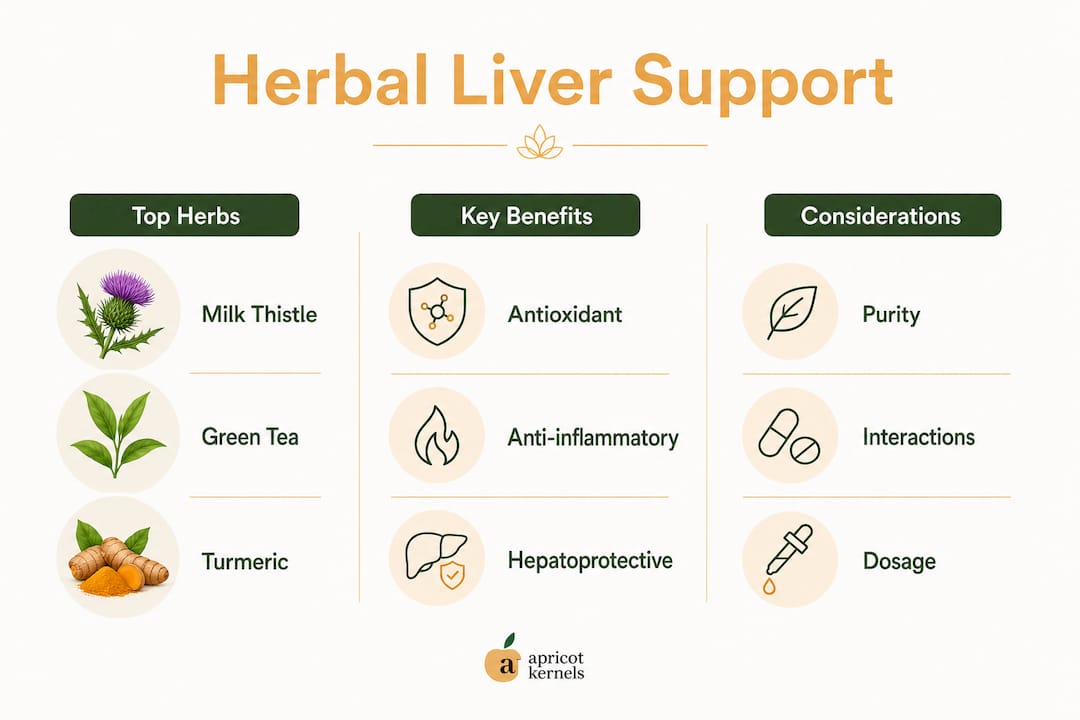
Milk thistle, ginseng, green tea, turmeric, garlic, and ginger are the most scientifically supported herbs for liver health. Each works through distinct mechanisms: antioxidant protection, anti-inflammatory action, or direct liver cell regeneration. Around 65% of liver disease patients in the US and Europe already use herbal supplements, reflecting how widely people turn to plants for hepatic support. The core herbs to know:
- Milk thistle (silymarin) — antioxidant, anti-inflammatory, antifibrotic
- Ginseng — antioxidant, promotes liver cell regeneration
- Green tea — reduces liver enzymes and oxidative stress
- Turmeric (curcumin) — anti-inflammatory, antioxidant
- Garlic — reduces oxidative stress and inflammation
- Ginger — anti-inflammatory, supports metabolic liver health
- Licorice (Glycyrrhiza) — anti-inflammatory, hepatoprotective
- Danshen — reduces triglycerides, antifibrotic
- Ginkgo biloba — antioxidant, liver tissue protection
- Astragalus — supports liver regeneration, antifibrotic
What does the science say about herbal liver support?
The evidence base for these herbs varies considerably. Milk thistle and silymarin lead the field in clinical data. Others show real promise but need larger trials before they can be considered standard care.
Milk thistle and silymarin
Milk thistle (Silybum marianum) is the most studied herb for liver health. Its active compound, silymarin, works through three main mechanisms: antioxidant activity, anti-inflammatory regulation, and antifibrotic effects. Silymarin inhibits NF-κB signalling, a protein complex that drives pro-inflammatory gene expression, and increases intracellular glutathione and superoxide dismutase activity. Clinical studies dating back to 1982 and 1989 showed significant reductions in liver enzymes compared to placebo. In one trial, patients receiving silymarin at 140 mg three times daily demonstrated improved long-term survival compared to the placebo group. Patients treated with 600 mg per day for 12 months showed significantly lower fasting insulin levels, and a separate 25-patient trial using 200 mg three times daily demonstrated reductions in blood glucose, HbA1c, total cholesterol, triglycerides, and LDL.
Key attributes:
- Standardised silymarin extracts are the most clinically validated form
- Intravenous silibinin is approved in Europe as an antidote to Amanita phalloides mushroom toxicity
- Bioavailability is limited; advanced formulations combining silybin with phospholipids improve absorption
- Typical studied doses range from 140 mg to 600 mg daily, depending on condition
Ginseng
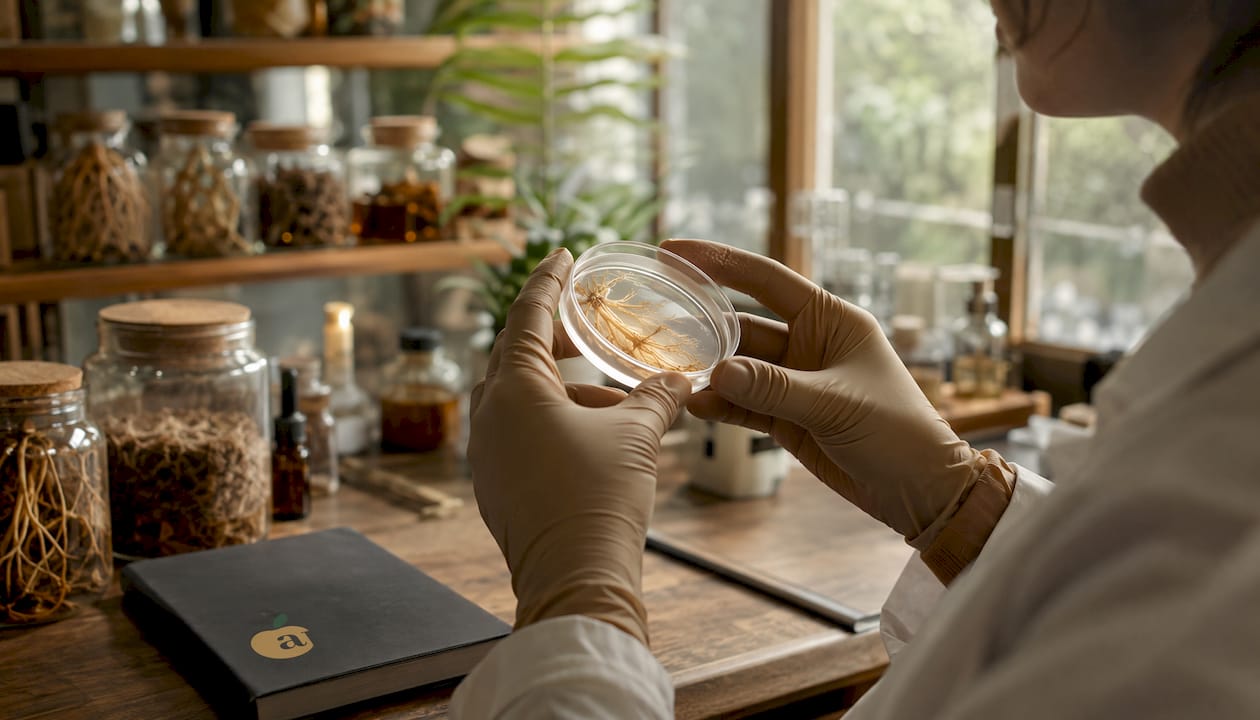
Ginseng (Panax ginseng) offers antioxidant protection against both viral and toxin-induced liver injury. Animal and human studies show it can reduce fatigue and inflammation in liver disease patients, and some evidence points to its role in promoting liver cell regeneration. The clinical dataset is smaller than milk thistle’s, but the mechanistic evidence is solid.
Green tea
Green tea (Camellia sinensis) catechins are among the better-studied natural compounds for liver enzyme reduction. In one clinical study, a dose containing 1,080 mg of catechin reduced serum ALT by 42.1% and lowered the oxidative stress marker urine 8-isoprostane by 31.1%. The lower 700 mg dose showed no significant difference versus placebo, suggesting dose matters considerably. Green tea polyphenols also show positive effects in experimental models of alcoholic liver disease.
Turmeric and curcumin
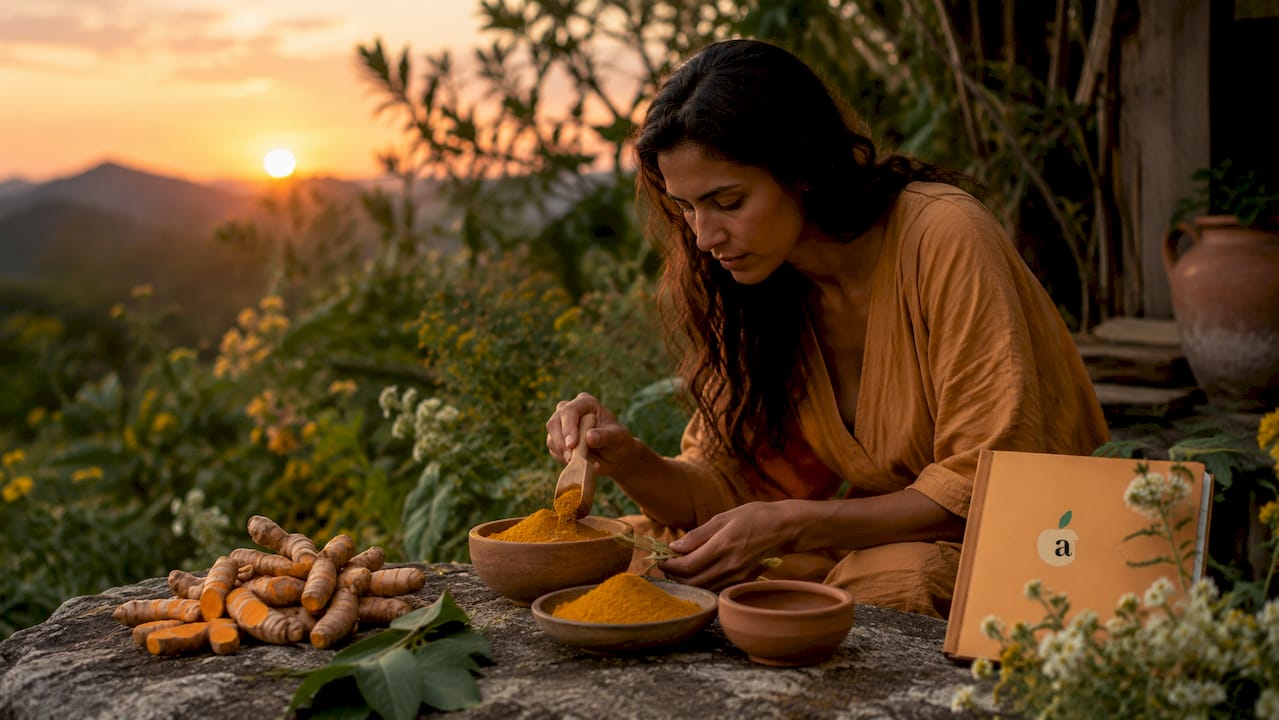
Curcumin, the active compound in turmeric (Curcuma longa), has well-documented anti-inflammatory and antioxidant properties. Clinical trials confirm liver-protective effects, and it appears in multiple meta-analyses for non-alcoholic fatty liver disease (NAFLD). The practical challenge is bioavailability: curcumin absorbs poorly at standard doses. To reach therapeutic efficacy, you either need high doses, combination with compounds like piperine, or carrier-based formulations designed to improve absorption. Without these, most curcumin passes through without meaningful effect.
Garlic and ginger
Garlic (Allium sativum) reduces oxidative stress and inflammation, both of which drive liver damage in fatty liver disease and hepatitis. Ginger (Zingiber officinale) has clinical studies supporting its effectiveness in liver conditions, particularly through anti-inflammatory pathways and metabolic effects relevant to NAFLD. Both herbs appear in the broader clinical literature as supportive agents rather than primary treatments.
Key attributes for garlic and ginger:
- Garlic’s organosulphur compounds are the primary active agents
- Ginger’s gingerols and shogaols drive its anti-inflammatory activity
- Both work best as part of a consistent dietary or supplement routine, not as short-term fixes
Licorice
Licorice (Glycyrrhiza species) has clinical studies showing hepatoprotective effects, particularly anti-inflammatory activity. It is one of the herbs with a longer history of use in traditional medicine for liver conditions, and modern research supports some of these applications. Long-term or high-dose use carries risks including raised blood pressure, so duration matters.
Danshen, ginkgo biloba, and astragalus
These three herbs show genuine promise but sit at an earlier stage of clinical evidence. A meta-analysis of danshen (Salvia miltiorrhiza) covering 800 patients across eight randomised studies found reductions in triglyceride levels in patients aged 45 and over, alongside antifibrotic effects. Ginkgo biloba provides antioxidant protection to liver tissue. Astragalus supports liver regeneration and shows antifibrotic activity in trials. All three require larger, longer studies before they can be recommended with the same confidence as milk thistle or green tea.
Summary attributes for this group:
- Danshen: antifibrotic, triglyceride reduction, 800-patient meta-analysis base
- Ginkgo biloba: antioxidant, liver tissue protection, limited clinical trials
- Astragalus: regenerative, antifibrotic, small trial evidence only
Pro Tip: When choosing a herbal extract for liver support, look for standardised products that state the active compound percentage on the label. A milk thistle product should specify its silymarin content; a curcumin product should state curcuminoid percentage. Without that information, you cannot assess potency or compare products meaningfully. Vitaminb17’s guide on herbal supplement purity explains exactly what to look for.
What safety considerations apply to liver-supporting herbs?
Herbs are not pharmaceuticals. They are not subject to the same regulatory scrutiny, and that gap creates real risks if you approach them casually.
Herb-drug interactions
Several liver-supporting herbs interact with common medications. Milk thistle can affect cytochrome P450 enzymes, which metabolise many prescription drugs. Ginkgo biloba has anticoagulant properties that interact with blood thinners such as warfarin. Licorice can raise blood pressure and interact with antihypertensives and corticosteroids. Ginseng affects blood glucose levels, which matters for anyone on diabetes medication. Always disclose every supplement you take to your GP or pharmacist before starting.
Liver injury from improper use
The assumption that natural equals safe is one of the most common and costly mistakes in herbal supplementation. Herbal supplements can cause liver injury or contain unlisted ingredients at harmful doses. Products without third-party testing or clear labelling of active compound concentrations carry the highest risk. High doses of unregulated supplements can cause electrolyte imbalance, vitamin deficiency, fatigue, and elevated liver enzymes indicating inflammation.
Purity and standardisation
Product quality varies enormously across the herbal supplement market. Inconsistent dosing and contamination are documented problems. Standardised extracts with verified active compound content are the only reliable way to achieve the doses used in clinical studies. An unstandardised product may contain a fraction of the active compound stated on the label, or none at all. Understanding how to spot underdosed products before you buy protects both your health and your money.
Duration and timing
- Start with the lowest effective dose and increase only if needed and tolerated
- Most clinical studies run for 3–12 months; avoid indefinite use without periodic review
- Take breaks between courses unless under medical supervision
- Avoid combining multiple liver-active herbs simultaneously without professional guidance
- Do not use liver-supporting herbs as a substitute for treating an underlying condition
Pro Tip: Never start a herbal liver protocol during a period of active medication change. Your liver is already processing new compounds, and adding herbal actives simultaneously makes it harder to identify the source of any adverse reaction.
Regulatory gaps
Herbal supplements in the UK are regulated under the Traditional Herbal Registration (THR) scheme or as food supplements, neither of which requires the same pre-market efficacy evidence as licensed medicines. This means products can reach shelves without proof they work at the stated dose. Scrutinise labels, seek THR-registered products where available, and treat any product making dramatic “rapid detox” claims with scepticism. No herb accelerates liver detoxification beyond the organ’s natural capacity.
How to support liver health naturally with herbs and lifestyle
The liver detoxifies continuously. It does not store toxins waiting to be flushed out. Experts at Johns Hopkins and MD Anderson are consistent on this point: foundational habits drive liver health far more than any short-term cleanse. Herbs work best as a complement to those habits, not a replacement.
The role of herbs in long-term liver support
Milk thistle, green tea, and turmeric each address specific mechanisms of liver damage: oxidative stress, inflammation, and fibrosis. Used consistently, at standardised doses, and alongside a sound diet, they can contribute meaningfully to liver health. The key word is consistently. A two-week “detox” course of milk thistle does far less than six months of daily use at a clinically relevant dose. Think of these herbs as maintenance tools, not emergency interventions.
Lifestyle factors that amplify herbal benefits
No herb compensates for a diet high in processed food, excess alcohol, or chronic inactivity. The liver’s workload is directly shaped by what you eat and drink every day.
- Diet: Prioritise vegetables, whole grains, lean protein, and healthy fats. Cruciferous vegetables such as broccoli and Brussels sprouts support phase II detoxification enzymes naturally.
- Alcohol: Reducing intake is the single most impactful change most people can make for liver health. Alcohol cessation is the primary treatment for alcoholic liver disease.
- Physical activity: Regular exercise reduces liver fat in NAFLD and improves insulin sensitivity, both of which directly reduce hepatic stress.
- Stress management: Chronic stress elevates cortisol, which drives inflammation throughout the body including the liver.
- Supplements as part of a plan: Natural supplements such as omega-3 fatty acids complement herbal approaches but are not substitutes for medical care or lifestyle change.
Practical integration tips
Getting herbs into your daily routine does not require complexity. A standardised milk thistle capsule taken with a meal, green tea replacing one or two coffees per day, and turmeric added to cooking covers three of the most evidence-backed options with minimal effort. For those using concentrated extracts, stacking herbal supplements effectively requires understanding which herbs complement each other and which combinations to avoid.
Key takeaways for natural liver detox support:
- Use standardised extracts with verified active compound content
- Treat herbs as long-term support, not short-term fixes
- Combine herbal use with reduced alcohol, a balanced diet, and regular exercise
- Always consult a healthcare professional before starting any new supplement
- Avoid products making rapid detox or dramatic cleansing claims
- Review your supplement routine periodically, especially if your medications change
Vitaminb17 offers pure, high-potency herbal extracts with no fillers, no binders, and no synthetic additives. Every product is formulated for consistent dosing so you get the active compounds that matter. Whether you are starting with a single herb or building a considered routine, quality and purity come first.

Start with what works. Explore Vitaminb17’s range of plant-based supplement benefits and find the right extract for your liver health goals.
Key takeaways
Milk thistle’s silymarin is the most clinically validated herbal compound for liver support, with green tea, turmeric, and ginseng offering strong complementary evidence when used at standardised doses alongside a liver-friendly lifestyle.
| Point | Details |
|---|---|
| Milk thistle leads the evidence | Silymarin reduces liver enzymes, oxidative stress, and fibrosis across multiple clinical trials. |
| Green tea dose matters | A 1,080 mg catechin dose reduced ALT by 42.1%; the 700 mg dose showed no significant effect. |
| Curcumin needs the right form | Poor bioavailability means standard turmeric doses are often insufficient; use standardised or enhanced formulations. |
| Herbs complement, not replace | Lifestyle changes including reduced alcohol and regular exercise remain the primary drivers of liver health. |
| Purity and standardisation are non-negotiable | Unstandardised products may deliver little or none of the active compound shown to work in trials. |


