

Flavonoids are polyphenolic secondary metabolites that herbs produce for their own survival, and when absorbed by people, they modulate cellular pathways with antioxidant, anti-inflammatory, and neuroprotective consequences. The Linus Pauling Institute notes that over 5,000 flavonoid compounds have been identified across the plant kingdom, making them one of the most structurally diverse phytochemical families known. The role of flavonoids in herbs is therefore dual: ecological protection for the plant, and measurable biological activity in the human body.
The immediate caveat is this: therapeutic benefits vary significantly by flavonoid subclass, dose, formulation, and human bioavailability. Clinical evidence ranges from strong (cardiovascular endpoints with flavanols) to limited (anticancer claims based largely on preclinical data). Choosing the right herb, the right extract, and the right dose matters enormously.
Three things to carry forward from this article:
- Plant role: Flavonoids protect herbs from UV radiation, pathogens, and herbivores, and they signal to pollinators and symbiotic microorganisms.
- Human mechanism families: Once absorbed, flavonoids scavenge free radicals, suppress pro-inflammatory signalling via NF-κB and Nrf2, and interact with the gut microbiome to produce bioactive metabolites.
- Practical implication: Raw herb preparations deliver unpredictable doses; standardised, high-potency extracts are the pragmatic route for consistent therapeutic exposure.
Key takeaways
Flavonoids in medicinal herbs serve dual roles: protecting the plant through UV filtration, defence, and signalling, and modulating human cellular pathways via NF-κB, Nrf2, and gut microbiome interactions when absorbed.
| Point | Details |
|---|---|
| Subclass determines activity | Flavonols, flavones, anthocyanins, and flavan-3-ols each have distinct structural features that drive different bioactivities and absorption profiles. |
| Clinical evidence is uneven | Cardiovascular benefits from flavanols have the strongest human trial backing; anticancer claims rest primarily on preclinical data. |
| Bioavailability is the key barrier | Glycoside cleavage, phase II conjugation, first-pass metabolism, and gut microbiome variability all reduce and vary active flavonoid exposure. |
| Standardised extracts outperform raw herbs | Defined Q-marker percentages, verified by third-party CoA, are the only reliable way to know the dose you are taking. |
| UK regulatory context matters | THR-registered products have undergone MHRA quality and safety review; food supplements have not, so CoA verification is essential. |
| Vitaminb17 offers pure, standardised options | Vitaminb17 herbal extract capsules contain no fillers or binders, with standardised dosing across flavonoid-rich herbs including sage, dandelion, and fenugreek. |
Table of Contents
- What are flavonoids and the main subclasses found in medicinal herbs?
- What biological roles do flavonoids play inside herbs?
- How do flavonoids affect human biology at the molecular level?
- What therapeutic benefits do flavonoids offer, and how strong is the evidence?
- Which common medicinal herbs are richest in flavonoids?
- Why does bioavailability matter, and when do standardised extracts help?
- Safety, drug interactions, and the UK regulatory context
- Where does the science still fall short?
- A pragmatic view on flavonoid-rich herbal extracts
- Vitaminb17 standardised herbal extracts: pure, potent, no fillers
- Sources
What are flavonoids and the main subclasses found in medicinal herbs?
Flavonoids are a class of polyphenolic secondary metabolites built on a C6-C3-C6 carbon skeleton, two aromatic rings connected by a three-carbon bridge that typically forms a central oxygen-containing ring. Herbs produce them not as primary nutrients but as chemical tools for defence, communication, and stress management. The position of hydroxyl groups, the degree of saturation in the central ring, and the presence of glycosidic attachments all determine how a given flavonoid behaves biologically, both in the plant and in the human gut.
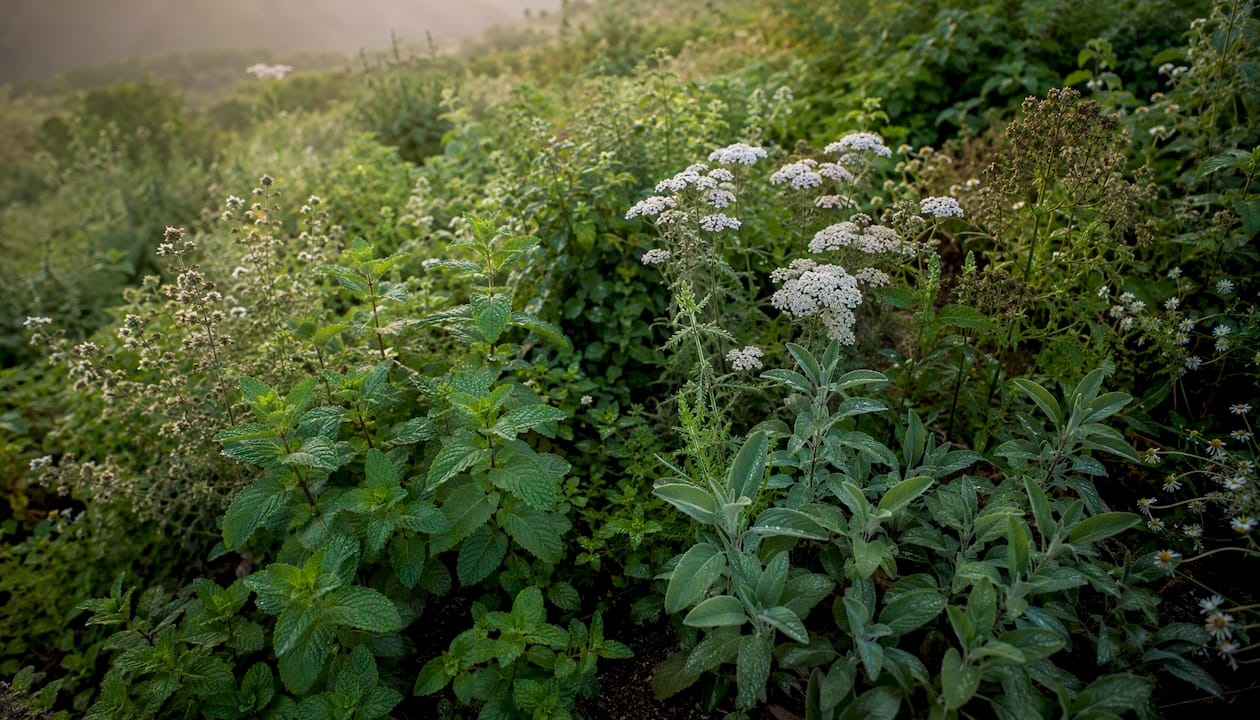
Research published in Molecules classifies the key dietary subclasses as flavonols, flavones, anthocyanins, and flavan-3-ols, each with distinct structural features that drive differences in antioxidant capacity and neuroprotective potential. Isoflavones and flavanones round out the picture for medicinal herb users.
| Subclass | Representative compound | Typical herb sources |
|---|---|---|
| Flavones | Apigenin | Chamomile, parsley, celery |
| Flavonols | Quercetin | Elderberry, ginkgo, dandelion |
| Flavanones | Hesperidin | Lemon balm, bergamot |
| Flavan-3-ols (catechins) | Epigallocatechin gallate (EGCG) | Green tea, rosemary |
| Isoflavones | Genistein | Red clover, fenugreek |
| Anthocyanins | Cyanidin-3-glucoside | Elderberry, bilberry |
| Chalcones | Xanthohumol | Hops |
The structural differences between subclasses translate directly into solubility and absorption profiles. Glycosylated flavonoids (bound to a sugar) are more water-soluble and stable in the plant but require gut bacterial or enzymatic cleavage before absorption. Aglycone forms (sugar-free) cross intestinal membranes more readily but are less stable during processing. This distinction matters when you are choosing between a raw herb, a water-based decoction, and an alcohol or standardised extract.
What biological roles do flavonoids play inside herbs?
Herbs do not produce flavonoids for human benefit. They produce them because survival depends on it. Understanding why herbs make these compounds explains why flavonoid content varies so much between plant parts, growing conditions, and harvest times, and why that variation matters for anyone choosing a herbal extract.
The principal plant-level functions are:
- UV filtration: Flavonoids, particularly flavonols such as quercetin, accumulate in epidermal cells and absorb UV-B radiation, protecting photosynthetic machinery from oxidative damage. Herbs grown in high-altitude or high-UV environments typically contain higher flavonoid concentrations.
- Pigmentation and pollinator attraction: Anthocyanins produce the red, purple, and blue colours in flowers and berries (elderberry is a clear example) that attract bees and other pollinators. Yellow flavonols contribute to petal colour in the UV spectrum visible to insects but not to the human eye.
- Defence against herbivores and pathogens: Bitter-tasting flavonoids deter insect feeding. Others act as phytoalexins, synthesised rapidly in response to fungal or bacterial attack. Oregano’s high apigenin and luteolin content, for instance, contributes to its well-documented antimicrobial activity.
- Signalling: Flavonoids act as chemical signals in the rhizosphere, attracting nitrogen-fixing Rhizobium bacteria to legume roots. They also participate in allelopathy, suppressing the growth of competing plant species.
- Intracellular antioxidant buffering: Within plant cells, flavonoids neutralise reactive oxygen species generated during photosynthesis and stress responses, protecting cellular membranes and DNA.
A foundational PMC review summarises these ecological and physiological roles and underpins the understanding that flavonoid production is tightly regulated by environmental stressors, not a fixed genetic output.
Pro Tip: Harvest timing and plant part selection directly affect flavonoid yield. Leaves and flowers generally concentrate flavones and flavonols; roots and bark tend to accumulate different phenolic classes. Harvesting at peak flowering, when UV stress and pollinator signalling demands are highest, typically maximises flavonoid content. Cold or alcohol extraction preserves glycosylated and aglycone forms better than prolonged boiling, which can degrade heat-sensitive flavonoid glycosides.
For more on how wild-harvested herbs differ in potency from conventionally grown sources, the science is worth reading before you buy.
How do flavonoids affect human biology at the molecular level?
The principal molecular actions of flavonoids in humans are free-radical scavenging, modulation of intracellular signalling pathways, enzyme inhibition, metal chelation, and microbiome-mediated transformation into secondary bioactive metabolites. No single mechanism dominates; the clinical effects observed in trials typically reflect several of these acting simultaneously.
NF-κB, Nrf2, and the anti-inflammatory axis
NF-κB (nuclear factor kappa-light-chain-enhancer of activated B cells) is a master transcription factor that drives expression of pro-inflammatory cytokines including TNF-α, IL-6, and IL-1β. Flavonoids such as quercetin and luteolin suppress NF-κB activation by blocking IκB kinase phosphorylation, which prevents the nuclear translocation of the NF-κB complex. The clinical implication is a reduction in chronic low-grade inflammation, the driver behind cardiovascular disease, type 2 diabetes, and neurodegeneration.
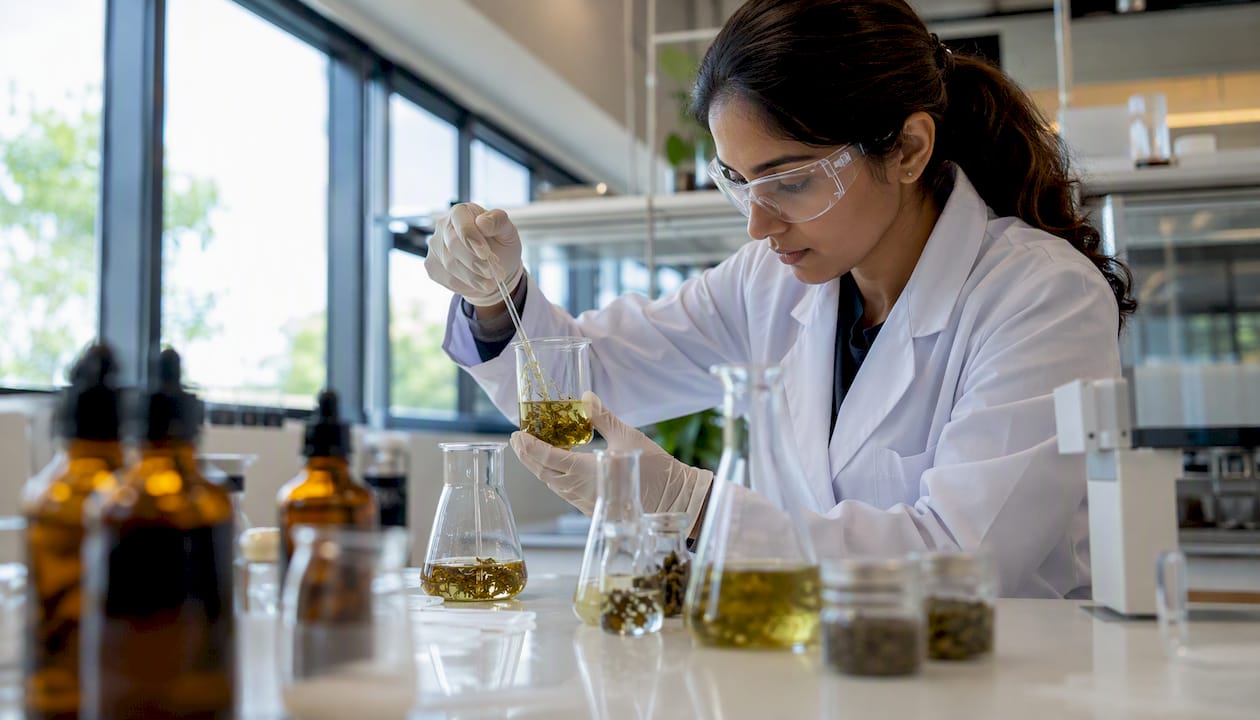
Nrf2 (nuclear factor erythroid 2-related factor 2) works in the opposite direction: it is a cytoprotective transcription factor that, when activated, upregulates antioxidant enzymes including haem oxygenase-1, superoxide dismutase, and glutathione peroxidase. Flavonoids activate Nrf2 by disrupting its inhibitory complex with Keap1, effectively switching on the cell’s own antioxidant defence system. This dual action, suppressing NF-κB while activating Nrf2, is one reason flavonoid-rich herbs appear useful across such a wide range of inflammatory and oxidative conditions.
PI3K/Akt, MAPK, and Wnt/β-catenin
The PI3K/Akt pathway regulates cell survival, proliferation, and metabolism. Flavonoids including EGCG and apigenin can inhibit PI3K activity, which reduces Akt phosphorylation and downstream mTOR signalling. This is the mechanistic basis for much of the preclinical anticancer interest in flavonoids. MAPK (mitogen-activated protein kinase) pathways, including ERK1/2 and p38, are modulated by flavonoids in ways that influence both inflammatory gene expression and apoptosis. Wnt/β-catenin signalling, relevant to stem cell maintenance and cancer progression, is also a target for specific flavonoids, particularly in colorectal cancer models.
A 2025 Frontiers in Medicine review confirms that flavonoids modulate NF-κB, Nrf2, PI3K/Akt, MAPK, and Wnt/β-catenin pathways and characterises their antioxidant, anti-inflammatory, and neuroprotective actions as the mechanistic foundation for therapeutic use in chronic disease management.
Enzyme inhibition and metal chelation
Flavonoids inhibit cyclooxygenase (COX) and lipoxygenase (LOX) enzymes, the same targets as non-steroidal anti-inflammatory drugs, though with lower potency and greater selectivity in many cases. Research published in PMC links flavonoid inhibition of LOX and COX to measurable reductions in inflammatory mediator production. Metal chelation, particularly of iron and copper, limits the Fenton reaction that generates the most damaging hydroxyl radicals, adding a second layer of antioxidant protection beyond direct radical scavenging.
Phase I/II metabolism and the microbiome bridge
After absorption in the small intestine, flavonoids undergo phase I oxidation (primarily via CYP3A4 and CYP1A2) and phase II conjugation, producing glucuronide and sulphate conjugates that circulate in plasma. Many of these conjugates are pharmacologically active. Unabsorbed flavonoids reach the colon, where gut bacteria cleave glycosidic bonds and produce smaller phenolic acids (such as protocatechuic acid from cyanidin) that are absorbed and exert their own biological effects. Enterohepatic recirculation extends the effective half-life of some flavonoid metabolites considerably. Inter-individual differences in gut microbiome composition are a primary reason why two people taking the same herbal extract can experience very different plasma flavonoid levels.
What therapeutic benefits do flavonoids offer, and how strong is the evidence?
The evidence base for flavonoid benefits in herbs spans everything from robust cardiovascular meta-analyses to early-stage cell culture work. Grading the evidence honestly is the most useful thing this section can do for you.
- Anti-inflammatory effects — Strong preclinical; moderate clinical evidence. Flavonoids consistently suppress inflammatory markers in cell and animal models via NF-κB and COX/LOX inhibition. Human trials with quercetin and curcumin-flavonoid combinations show reductions in CRP and IL-6, though effect sizes are modest and trial quality varies. For those interested in herbal approaches to chronic inflammation, the mechanistic case is solid; the clinical dose-response is still being refined.
- Cardioprotective effects — Moderate to strong clinical evidence. Flavanols in green tea and cocoa have the most robust human trial data. A series of meta-analyses covering tens of thousands of participants associates higher flavanol intake with lower blood pressure, improved endothelial function, and reduced LDL oxidation. Herbal extracts for blood health draws on this evidence base directly. Hawthorn flavonoids (oligomeric proanthocyanidins) have been studied in mild heart failure with encouraging results in small RCTs.
- Neuroprotective effects — Moderate preclinical; limited but growing clinical evidence. The MDPI review identifies flavonols, flavones, anthocyanins, and flavan-3-ols as the subclasses with the strongest neuroprotective signals, acting via Nrf2 activation, neuroinflammation suppression, and mitochondrial protection. Epidemiological data links higher dietary flavonoid intake to slower cognitive decline, but RCT evidence for specific herbal flavonoid extracts in neurological conditions remains limited.
- Antioxidant and mitochondrial support — Strong mechanistic; clinical translation variable. Flavonoids reliably reduce oxidative stress biomarkers (F2-isoprostanes, 8-OHdG) in human supplementation studies. Mitochondrial effects, including support for electron transport chain efficiency, are well-characterised in preclinical models. Clinical relevance in healthy adults is less clear than in populations with elevated oxidative stress (smokers, diabetics, older adults).
- Metabolic regulation — Moderate preclinical; limited clinical evidence. Quercetin and EGCG modulate AMPK and PPAR-γ pathways relevant to glucose metabolism and adipogenesis. Small human trials show modest improvements in fasting glucose and insulin sensitivity, particularly in overweight individuals. Larger, well-controlled RCTs are needed before confident clinical recommendations are possible.
- Anticancer effects — Strong preclinical; insufficient clinical evidence. PI3K/Akt and Wnt/β-catenin inhibition by flavonoids is well-documented in cancer cell lines and animal models. No flavonoid-based herbal extract has demonstrated sufficient efficacy in phase III clinical trials to support a cancer treatment claim. Preclinical findings are promising but should not be extrapolated to clinical use.
- Antiviral effects — Limited but emerging evidence. Quercetin and EGCG show antiviral activity against several RNA viruses in cell culture, including influenza and SARS-CoV-2 models. Human clinical data is sparse and preliminary.
What evidence levels mean for UK consumers: If you are considering a flavonoid-rich herbal extract for a specific health outcome, cardiovascular support has the strongest clinical backing. Anti-inflammatory and antioxidant applications have a credible mechanistic and moderate clinical case. Neuroprotection is a reasonable area of interest but should be framed as supportive rather than therapeutic. Anticancer claims from herbal flavonoid products are not supported by clinical trial evidence and should be treated with scepticism.
Which common medicinal herbs are richest in flavonoids?
Not all herbs deliver flavonoids in equal amounts or in equally useful forms. The following herbs are among the most studied for flavonoid content, and each has a dominant subclass that shapes its biological profile.
- Parsley (Petroselinum crispum): One of the richest dietary sources of apigenin (a flavone) and luteolin. Fresh leaf concentrations are high; dried parsley retains significant amounts. Traditionally used as a diuretic and digestive aid; apigenin has demonstrated anxiolytic and anti-inflammatory properties in preclinical models.
- Oregano (Origanum vulgare): High in luteolin and apigenin, with notable rosmarinic acid content. Annual Reviews data confirms oregano and parsley among the highest-flavonoid culinary herbs. Antimicrobial activity is well-supported; used in traditional European herbal medicine for respiratory and digestive complaints.
- Sage (Salvia officinalis): Contains luteolin, apigenin, and salvigenin (a methoxylated flavone). Sage leaf is traditionally used for menopausal symptoms and cognitive support; luteolin’s Nrf2-activating properties are relevant to both applications.
- Chamomile (Matricaria chamomilla): Apigenin is the dominant flavone, present primarily as apigenin-7-glucoside in dried flowers. Well-evidenced for mild anxiolytic and antispasmodic effects; one of the most studied flavone-containing herbs in human trials.
- Elderberry (Sambucus nigra): Anthocyanins (primarily cyanidin-3-glucoside and cyanidin-3-sambubioside) dominate the flavonoid profile. Strong antioxidant and emerging antiviral evidence; widely used in UK herbal practice for immune support.
- Ginkgo (Ginkgo biloba): Standardised extracts are defined by their flavonol glycoside content (typically 24% flavonol glycosides in the EGb 761 extract). Quercetin, kaempferol, and isorhamnetin are the dominant flavonols. The most extensively studied herbal extract for cognitive and circulatory applications in clinical trials.
- Green tea (Camellia sinensis): EGCG (a flavan-3-ol/catechin) is the primary bioactive. The most robust cardiovascular and metabolic flavonoid evidence base of any single herb. Culinary preparation (brewing) delivers meaningful EGCG, though standardised extracts provide far higher and more consistent doses.
- Hawthorn (Crataegus spp.): Oligomeric proanthocyanidins and flavonols (quercetin, hyperoside, vitexin). Used in European herbal medicine for mild heart failure and hypertension; the most clinically studied flavonoid-rich herb for cardiovascular endpoints after green tea.
- Dandelion (Taraxacum officinale): Luteolin and quercetin in both leaf and root, with the leaf generally richer in flavonoids. Traditionally used for liver and digestive support; anti-inflammatory and diuretic properties are supported by preclinical data.
- Rosemary (Rosmarinus officinalis): Luteolin and apigenin alongside rosmarinic acid. Used for cognitive and circulatory support; EGCG-like catechins are absent, but the flavone content contributes to its antioxidant profile.
Culinary use of these herbs delivers flavonoids, but at doses far below those used in clinical trials. A teaspoon of dried parsley in a meal is not equivalent to a standardised parsley extract delivering a defined apigenin dose. Potent herbs for cellular health covers this distinction in practical terms.
Pro Tip: Flowers and leaves concentrate flavones and flavonols; roots and bark tend to accumulate different phenolic classes with lower flavonoid density. For maximum flavone and flavonol yield, choose leaf or flower extracts. For anthocyanins, berry or fruit preparations are the correct plant part. Matching the plant part to the target flavonoid subclass is as important as choosing the right herb.
Why does bioavailability matter, and when do standardised extracts help?
Poor natural bioavailability and high inter-individual metabolic variability are the primary barriers between a flavonoid-rich herb and a measurable therapeutic effect in a person. Research from Bentham Science confirms this directly, recommending standardised, high-potency extracts and novel delivery systems as the practical solutions to pharmacokinetic limitations.
The absorption problem starts with the glycoside/aglycone distinction. Most flavonoids in raw herbs exist as glycosides, which require cleavage by intestinal lactase-phlorizin hydrolase or colonic bacteria before absorption. Aglycones are absorbed more rapidly in the small intestine but are present in lower concentrations in unprocessed plant material. Phase II conjugation in the intestinal wall and liver then converts absorbed flavonoids into glucuronide and sulphate conjugates, which have different receptor affinities and half-lives than the parent compound. First-pass metabolism can substantially reduce systemic exposure to the active form.
The gut microbiome adds another layer of variability. Individuals with a diverse, flavonoid-metabolising microbiome (notably those with Eggerthella lenta and Lachnospiraceae species) convert quercetin and other flavonols into equol-like metabolites with enhanced bioactivity. Those without these bacterial populations absorb less and produce fewer active metabolites from the same dose.
What to look for in a standardised extract
- Defined Q-markers: The extract should specify the flavonoid marker compound and its percentage (e.g. “standardised to 24% flavonol glycosides” for ginkgo). Quality-control research confirms that flavonoids are the primary analytical markers used to verify herbal extract identity and potency.
- Concentration ratio: A 10:1 extract means 10 kg of raw herb was used to produce 1 kg of extract. Higher ratios indicate greater concentration, but the Q-marker percentage is the more reliable potency indicator.
- Extraction solvent: Ethanol or hydroethanolic solvents generally extract a broader flavonoid spectrum than water alone. Supercritical CO₂ is used for specific lipophilic compounds.
- Absence of fillers and binders: Excipients can dilute active content and affect dissolution. Pure extracts with no synthetic additives deliver more predictable dosing.
- Third-party analysis: A certificate of analysis (CoA) from an independent laboratory confirms the stated Q-marker content and screens for contaminants.
- Stability data: Flavonoids degrade with heat, light, and moisture. Extracts should be produced and stored under conditions that preserve marker integrity.
Modern quality control increasingly combines HPLC-UV and UHPLC-QTOF-MS chromatographic profiling with chemometrics to define Q-marker suites rather than single-compound assays, capturing the synergistic matrix that drives activity. For clinicians and health-literate consumers, this means a single-marker certificate is a minimum standard, not a gold standard.
Pro Tip: Two simple strategies can meaningfully improve flavonoid absorption. Taking a flavonoid extract with a small amount of healthy fat (olive oil, avocado) increases absorption of lipophilic aglycones. Piperine (black pepper extract) inhibits phase II conjugation enzymes and can raise plasma flavonoid levels, but it also inhibits CYP3A4 and may increase exposure to co-administered drugs. Use piperine-containing formulations with caution if you take prescription medication.
For a practical guide on choosing raw herbal extract capsules, the selection criteria map directly onto the Q-marker and purity standards described here.
Safety, drug interactions, and the UK regulatory context
Flavonoid-rich herbal extracts are not risk-free simply because they are natural. UK consumers need to understand both the specific safety signals and the regulatory framework that governs what products can claim and how they are tested.
Known adverse effects
- High-dose quercetin: At doses above 1,000 mg/day, quercetin has shown nephrotoxic potential in animal studies. Human data at these doses is limited, and most clinical trials use 500–1,000 mg/day with no serious adverse events reported, but caution is warranted for prolonged high-dose use.
- Isoflavones (phytoestrogens): Genistein and daidzein from red clover and fenugreek bind oestrogen receptors. Individuals with hormone-sensitive conditions (oestrogen receptor-positive breast cancer, endometriosis) should consult a clinician before using isoflavone-rich extracts.
- Hepatotoxicity signals: Rare cases of liver injury have been associated with high-dose green tea extract (EGCG), particularly in fasted individuals. The European Food Safety Authority has noted this signal; doses above 800 mg EGCG/day are not recommended without medical supervision.
- Anthocyanin-rich extracts: Generally well-tolerated; gastrointestinal discomfort at high doses is the most commonly reported effect.
Drug interaction red flags
- CYP enzyme interactions: Flavonoids including quercetin, naringenin (from citrus), and EGCG inhibit CYP3A4 and CYP1A2. This can increase plasma levels of drugs metabolised by these enzymes, including statins, benzodiazepines, and some chemotherapy agents.
- Anticoagulants: Quercetin and other flavonoids with antiplatelet activity can potentiate warfarin. Anyone on anticoagulant therapy should not start a flavonoid-rich herbal extract without discussing it with their prescriber.
- MAOIs: Some flavonoids weakly inhibit monoamine oxidase; concurrent use with MAOI antidepressants carries a theoretical interaction risk.
- General principle: If you take any prescription medication, consult your GP or pharmacist before adding a standardised herbal extract to your regimen.
UK regulatory context
In the UK, herb-derived flavonoid products fall into two main regulatory categories:
- Traditional Herbal Registration (THR): Administered by the MHRA, the THR scheme requires evidence of at least 30 years of traditional use (15 years of which must be within the EU/UK), quality standards, and safety data. Products with a THR mark carry a PL number and have undergone MHRA review. They cannot make efficacy claims beyond traditional use indications.
- Food supplement framework: Most flavonoid-containing herbal extracts sold in the UK are regulated as food supplements under the Food Supplements (England) Regulations 2003. These products do not require pre-market efficacy review. Manufacturers must comply with labelling rules and general food safety law, but the safety and efficacy bar is lower than for THR or licensed medicines.
The practical implication: a product with a THR mark has been reviewed for quality and safety. A food supplement has not. Neither category permits disease treatment claims.
Pro Tip: Before purchasing any herbal extract, check the MHRA’s public register for THR products. For food supplements, look for a CoA from an accredited third-party laboratory, a clearly stated Q-marker percentage, and a batch number you can trace. Products that list only “proprietary blend” weights without individual compound data are impossible to evaluate for dose adequacy.
Always consult a healthcare professional before starting standardised herbal extracts if you are on prescription medication, pregnant, breastfeeding, or managing a chronic health condition.
Where does the science still fall short?
The evidence for herbal flavonoids is genuinely promising in several areas, but the research base has structural weaknesses that limit confident clinical recommendations. Recognising these gaps protects you from both overclaiming and dismissing a field with real therapeutic potential.
- Inconsistent extract standardisation across trials: Many clinical trials use proprietary extracts with undisclosed or variable flavonoid content, making it impossible to compare results or establish dose-response relationships across studies. A trial using “elderberry extract” may have used a product with 5% anthocyanins or 25%; without that figure, the result cannot be generalised.
- Small sample sizes: The majority of human trials on specific herbal flavonoids involve fewer than 100 participants and run for less than 12 weeks. These are sufficient to detect short-term biomarker changes but underpowered to detect clinical outcomes such as cardiovascular events or cognitive decline.
- Poor pharmacokinetic characterisation: For many flavonoids beyond quercetin and EGCG, plasma half-life, tissue distribution, and active metabolite profiles in humans are poorly defined. Dosing recommendations are often extrapolated from animal data or from in vitro studies at concentrations that are not achievable in human plasma.
- Gut microbiome variability: As noted in the mechanisms section, individual differences in microbiome composition produce dramatically different metabolite profiles from the same flavonoid dose. Most trials do not characterise participants’ microbiomes, making it impossible to identify responders and non-responders or to predict who will benefit.
- Species and chemotype variability in herbs: The flavonoid content of a given herb species varies with cultivar, growing region, soil type, harvest time, and post-harvest processing. A clinical trial using one chemotype of chamomile or one oregano cultivar may not generalise to a commercially available product grown under different conditions.
- Publication bias: Positive results are more likely to be published than null results, inflating the apparent efficacy of flavonoid interventions in the published literature.
The signal is real in many cases; the magnitude and the conditions under which it appears are not yet reliably defined.
A pragmatic view on flavonoid-rich herbal extracts
The science of herbal flavonoids is genuinely exciting, and the temptation to overstate it is understandable. But the most responsible position is also the most useful one: the mechanistic case for flavonoids is strong, the clinical evidence is promising in specific areas (cardiovascular, anti-inflammatory), and the practical barriers of bioavailability and dosing inconsistency are real and solvable.
What strikes me most about this field is not the individual pathway studies but the convergence. Flavonoids hit NF-κB, Nrf2, PI3K/Akt, and the gut microbiome simultaneously. That is not a coincidence; it reflects the fact that these compounds evolved to manage complex biological stress in plants, and human cells share many of the same stress-response architectures. The therapeutic potential is not a marketing invention.
The problem is not the compounds. The problem is delivery. A raw herb preparation, a supermarket tea, and a standardised extract, standardised to a defined Q-marker percentage, are not interchangeable. The clinical trials that show cardiovascular benefit from green tea flavanols used controlled doses. The trials that show quercetin reduces inflammatory markers used verified quercetin content. Choosing a product without a stated flavonoid marker percentage is choosing a dose you cannot know.
For UK consumers, the practical guidance is straightforward: prioritise products with THR registration or a third-party CoA, verify the Q-marker percentage, avoid products with fillers and binders that dilute active content, and consult a clinician if you are on medication. The herbs are real. The compounds are real. The dose is what you need to control.
Vitaminb17 standardised herbal extracts: pure, potent, no fillers
If the bioavailability and dosing evidence in this article has made one thing clear, it is that the quality of your extract determines whether you get any benefit at all. Vitaminb17 addresses this directly. Every herbal extract capsule is produced without fillers, binders, or synthetic additives, so the stated dose is the actual dose. Ingredients including burdock root, dandelion root, sage leaf, fenugreek, and ginger root are standardised for consistency, and each product is suitable for vegans.

For readers who want to apply the flavonoid evidence practically, the benefits of high-potency plant extracts guide explains why concentration and purity matter more than raw herb weight. If you are new to standardised herbal supplements, the guide to recognising underdosed products gives you the exact criteria to apply before you buy. And for a broader view of how these extracts fit into a daily wellness approach, potent herbs for cellular health is the logical next step.
This article provides general information only and is not a substitute for professional medical advice. Consult your GP or a qualified healthcare professional before starting any herbal supplement, particularly if you are on prescription medication or managing a health condition.
Sources
- Frontiers | Flavonoids: a natural remedy in the prevention and management of diverse diseases
- Recent Advances in Flavonoids and Chronic Disease: Mechanisms, Therapeutic Applications, and Future Directions | Bentham Science Publishers
- Key dietary flavonoids: insights into their structural characteristics, antioxidant and anti-inflammatory activities, and potential as neuroprotective agents
- Flavonoids | Linus Pauling Institute | Oregon State University
- Flavonoids: an overview – PMC – NIH


