

Curcumin, boswellia, and ginger have the strongest clinical evidence for reducing chronic inflammation, with curcumin showing comparable efficacy to NSAIDs in osteoarthritis pain and better gastrointestinal tolerability. These are not fringe remedies. They are backed by meta-analyses, randomised controlled trials, and growing regulatory scrutiny. Here is what the research actually supports in 2026, and what you need to know before you buy.
The key herbal supplements with clinical support for chronic inflammation:
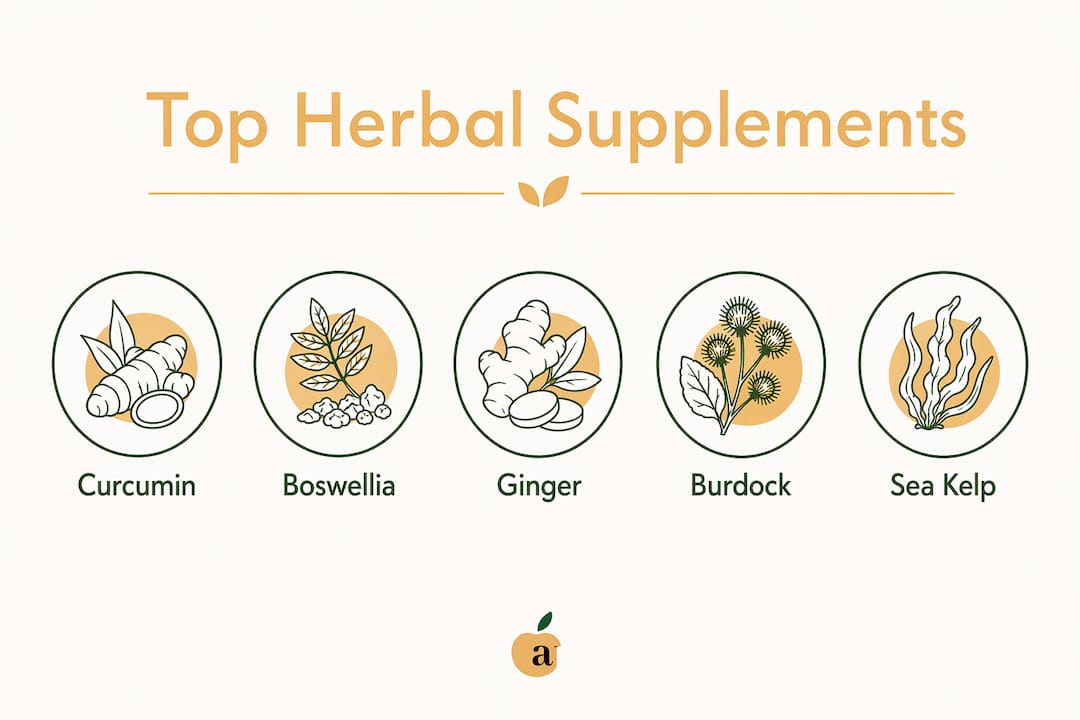
- Curcumin (from turmeric): strongest human trial data; around 1,000mg/day with enhanced bioavailability formulations
- Boswellia serrata: inhibits 5-lipoxygenase; proven benefits in arthritis and inflammatory bowel disease
- Ginger (Zingiber officinale): modest but consistent reductions in joint pain and post-exercise muscle soreness
- Apricot kernels: traditional use with antioxidant properties; encapsulated for consistent dosing
- Burdock root: historically used for blood purification; preclinical anti-inflammatory activity
- Sea kelp: rich in iodine and antioxidants; supports metabolic and blood health
- Celery seed: used traditionally for gout and joint discomfort; contains active apigenin compounds
Herbs work best as adjuncts to lifestyle changes, not replacements for them. Quality, bioavailability, and correct dosing determine whether a supplement actually reaches therapeutic concentrations in your body. This guide covers all of it, grounded in 2026 research and UK regulatory context.
Table of Contents
- What is chronic inflammation and how can you reduce it naturally?
- The evidence behind herbal supplements for chronic inflammation
- How diet and daily habits maximise what herbal supplements do
- Safety, dosing, and UK regulations you need to know
- Expert insights and 2026 research highlights
- Vitaminb17 pure herbal extracts for inflammation support
- Key takeaways
What is chronic inflammation and how can you reduce it naturally?
Chronic inflammation is a persistent, low-grade immune response that continues long after any initial trigger has resolved. Unlike acute inflammation, which is short, protective, and visible (think a swollen ankle), chronic inflammation operates silently. Biomarkers such as C-reactive protein (CRP), interleukin-6 (IL-6), and tumour necrosis factor-alpha (TNF-α) remain elevated for months or years, quietly driving tissue damage across multiple organ systems. Left unaddressed, it underpins conditions including cardiovascular disease, type 2 diabetes, rheumatoid arthritis, and certain cancers.
Diet and lifestyle changes have greater effect sizes on CRP and IL-6 than herbal supplements alone. That is the most important fact in this entire guide. Herbs add genuine value, but only when the foundations are in place.
Lifestyle strategies that directly lower inflammatory biomarkers:
- Mediterranean-style diet: high in olive oil, oily fish, legumes, vegetables, and whole grains; consistently associated with lower CRP
- Regular physical activity: moderate aerobic exercise reduces systemic inflammation; excessive high-intensity training without recovery can temporarily raise it
- Sleep hygiene: fewer than six hours per night raises IL-6 and TNF-α; seven to nine hours is the evidence-backed target
- Stress management: chronic psychological stress activates the HPA axis and sustains inflammatory signalling; mindfulness-based stress reduction has measurable effects on CRP
- Weight management: adipose tissue secretes pro-inflammatory cytokines; even modest weight loss in overweight individuals reduces inflammatory load
Pro Tip: Address at least two lifestyle factors before adding herbal supplements. Herbs layered onto a poor diet and disrupted sleep produce far weaker results than the same herbs taken alongside a nutrient-dense eating pattern.
Chronic inflammation is implicated in the majority of non-communicable diseases globally. Reducing it through combined lifestyle and targeted supplementation is one of the most evidence-supported strategies in preventive health.
Herbal supplements act on specific inflammatory pathways, such as COX-2 inhibition or NF-κB suppression, but they cannot override the systemic pro-inflammatory signals generated by poor diet, physical inactivity, or chronic stress. Think of them as precision tools, not broad-spectrum fixes.
The evidence behind herbal supplements for chronic inflammation
Not all herbs marketed as “anti-inflammatory” carry equal weight. The distinction between robust human trial data and preclinical or ex-vivo findings matters enormously when you are choosing what to put in your body. The table below summarises the seven key herbs, their active compounds, mechanisms, typical dosing, and evidence grades.
| Herb | Active compounds | Mechanism | Typical dose | Evidence grade |
|---|---|---|---|---|
| Curcumin | Curcuminoids | NF-κB inhibition, COX-2 suppression | 500–1,000mg/day (enhanced form) | Strong (multiple RCTs, meta-analyses) |
| Boswellia serrata | Boswellic acids (AKBA) | 5-lipoxygenase inhibition | 300–500mg/day | Strong (RCTs in OA and IBD) |
| Ginger | Gingerols, shogaols | COX and LOX inhibition | 500–2,000mg/day | Moderate (small RCTs, meta-analyses) |
| Apricot kernels | Amygdalin, antioxidants | Antioxidant, immune modulation | Per product guidance | Preclinical/traditional |
| Burdock root | Arctigenin, inulin | Antioxidant, NF-κB modulation | Per product guidance | Preclinical/traditional |
| Sea kelp | Fucoidan, iodine | Antioxidant, metabolic support | Per product guidance | Preclinical/emerging |
| Celery seed | Apigenin, phthalides | COX inhibition, uric acid reduction | Per product guidance | Traditional/limited clinical |
Curcumin
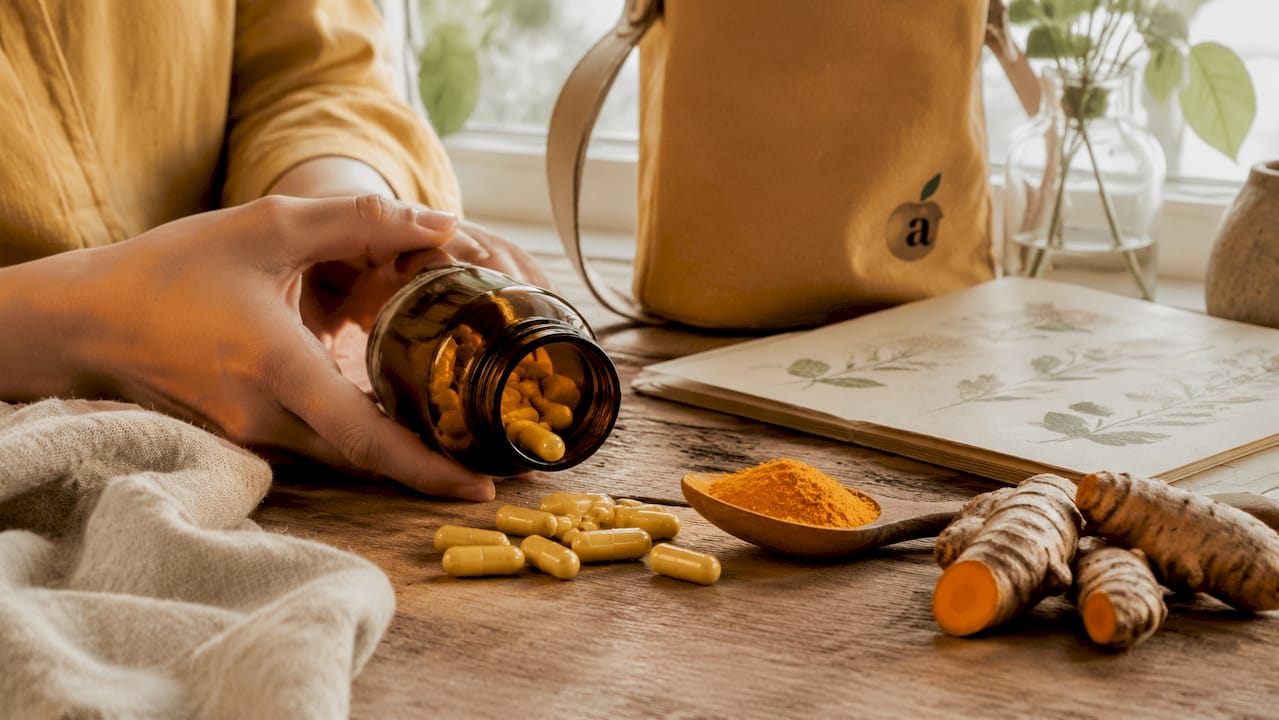
Multiple meta-analyses confirm curcumin’s efficacy at typical therapeutic doses, with pain relief in osteoarthritis comparable to ibuprofen and without the gastrointestinal side effects that cause many people to discontinue NSAIDs. The catch is bioavailability. Standard curcumin powder is poorly absorbed; standardised extracts using liposomal delivery or piperine co-administration can raise active phytochemical uptake substantially above the baseline of raw powder. Curcuma longa also carries the most clinical evidence across inflammatory conditions including rheumatoid arthritis, uveitis, and inflammatory bowel disease, according to a PMC review of anti-inflammatory herbal medicines.
Boswellia serrata
Boswellia works through a different pathway to curcumin, targeting 5-lipoxygenase rather than COX enzymes. Several clinical trials support its use in osteoarthritis and inflammatory bowel disease, with a good safety profile across study durations. The active compound acetyl-11-keto-β-boswellic acid (AKBA) is the most potent fraction; look for extracts standardised to AKBA content rather than total boswellic acids. Combining curcumin and boswellia shows additive effects in osteoarthritis trials, unlike broad multi-herb blends of uncertain potency.
Ginger
Meta-analyses indicate ginger extract improves pain and physical function in arthritis, and reduces delayed-onset muscle soreness after exercise. The effect sizes are modest but consistent across studies. Gingerols and shogaols inhibit both COX and LOX enzymes, giving ginger a dual anti-inflammatory action. At doses of 500–2,000mg/day, it is well tolerated by most people, though higher doses can cause mild gastrointestinal discomfort.
Apricot kernels
Apricot kernels contain amygdalin alongside antioxidant compounds that support immune modulation. Traditional use is long-established, and preclinical data points to antioxidant and anti-inflammatory activity. Encapsulated forms provide consistent dosing without the variability of raw kernels. Vitaminb17’s apricot kernel capsules deliver a pure, raw extract with no fillers or binders, making dose tracking straightforward.
Burdock root
Burdock root (Arctium lappa) contains arctigenin and inulin, both of which show NF-κB modulating activity in preclinical studies. Traditional use centres on blood purification and reducing joint discomfort. Human trial data remains limited, so burdock root sits firmly in the adjunct category rather than as a primary anti-inflammatory agent. Burdock root capsules at high-potency standardised doses offer a practical way to integrate it consistently.
Sea kelp
Sea kelp is a rich source of fucoidan, a sulphated polysaccharide with emerging anti-inflammatory and antioxidant properties in preclinical research. Its iodine content also supports thyroid function, which has downstream effects on metabolic inflammation. Clinical trial data in humans is still limited, but sea kelp is well established as a safe dietary supplement at recommended doses and is widely used in the UK for blood and metabolic health support.
Celery seed
Celery seed contains apigenin and phthalides, compounds that inhibit COX enzymes and may reduce uric acid levels, making it particularly relevant for gout-related inflammation. Traditional use across European herbal medicine is extensive. Clinical evidence in humans is limited to small studies, but the safety profile is good and the mechanism is plausible. It works best as part of a broader anti-inflammatory protocol rather than as a standalone intervention.
Key clinical findings and safety considerations:
- Curcumin and boswellia have the most robust human evidence; prioritise these for joint and gut inflammation
- Ginger is a safe, accessible adjunct with consistent modest benefits across multiple inflammatory conditions
- Apricot kernels, burdock root, sea kelp, and celery seed are best supported by traditional use and preclinical data; human trials are limited
- Omega-3 fatty acids (EPA and DHA at 2–4g/day) produce a 10–30% reduction in CRP and related cytokines after 8–24 weeks; they are among the most evidence-backed anti-inflammatory supplements available
- Vitamin D supplementation benefits inflammatory autoimmune conditions; the VITAL trial showed a 22% reduced autoimmune disease risk, though effects on general inflammatory markers in non-deficient people are inconsistent
- Single-ingredient supplements with clear dosing consistently outperform broad multi-herb blends in both safety and efficacy
Pro Tip: When reading supplement labels, look for the standardised extract percentage alongside the total weight. A 500mg capsule standardised to 95% curcuminoids delivers far more active compound than a 1,000mg capsule of raw turmeric powder.
How diet and daily habits maximise what herbal supplements do
Herbal supplements do not work in isolation. The anti-inflammatory effect of curcumin, for example, is amplified when taken alongside a diet already low in refined carbohydrates and ultra-processed foods. Think of lifestyle as the substrate on which supplements act.
Green tea deserves particular mention. Its active compound, epigallocatechin gallate (EGCG), inhibits NF-κB and reduces pro-inflammatory cytokine production. Two to three cups daily is a practical, low-cost addition to any anti-inflammatory protocol. Omega-3 rich foods, including oily fish such as mackerel, sardines, and salmon, provide EPA and DHA that directly compete with arachidonic acid in the inflammatory cascade. For those who do not eat fish regularly, algae-based omega-3 supplements deliver the same active compounds.
Practical lifestyle integrations for supplement users:
- Take fat-soluble supplements (curcumin, boswellia) with a meal containing healthy fats to improve absorption
- Pair ginger supplements with meals to reduce the risk of gastrointestinal discomfort
- Avoid taking herbal supplements alongside caffeine or alcohol, which can alter absorption and increase gut irritation
- Prioritise colourful vegetables (particularly cruciferous varieties and dark leafy greens) to provide polyphenols that work synergistically with herbal extracts
- Limit refined sugar and seed oils high in omega-6 fatty acids, which directly drive arachidonic acid production and worsen the inflammatory balance
- Track your inflammatory symptoms (joint stiffness, fatigue, skin flares) over four to eight weeks after starting a supplement protocol to assess real-world effect
Weight management is not a peripheral consideration. Adipose tissue, particularly visceral fat, actively secretes IL-6 and TNF-α. Reducing excess body fat lowers the baseline inflammatory load that supplements are working against.
Pro Tip: Integrating supplements into meal prep is one of the most reliable ways to maintain consistency. Set supplements out with your evening meal ingredients so they become part of the routine rather than an afterthought.
For those with busy schedules, herbal supplements suit active lifestyles precisely because encapsulated extracts remove the preparation time associated with raw herbs. No brewing, no measuring, no mess.
Safety, dosing, and UK regulations you need to know
Safety is not a secondary concern with herbal supplements. Several of the most effective anti-inflammatory herbs carry real interaction risks, particularly for people on prescription medications.
Allergic reactions, gastrointestinal upset, and mild anticoagulant effects are the most commonly reported adverse effects. People taking warfarin, aspirin, or other antiplatelet drugs should consult a GP or pharmacist before starting curcumin, ginger, or boswellia, as these herbs can potentiate anticoagulant activity. Ginger at high doses has the most pronounced blood-thinning effect among the three. Celery seed may interact with diuretics and thyroid medications. Sea kelp, due to its iodine content, is contraindicated in thyroid conditions without medical supervision.
Safety checklist for herbal supplement users:
- Disclose all supplements to your GP, particularly if you take prescription medications
- Start with the lowest effective dose and increase gradually; read about building tolerance safely before stacking multiple herbs
- Avoid herbal supplements during pregnancy or breastfeeding unless specifically advised by a healthcare professional
- Stop supplementation at least two weeks before any planned surgery due to anticoagulant risks
- Monitor for adverse reactions during the first four weeks: skin changes, digestive upset, unusual bruising, or fatigue warrant prompt review
- Choose products with clear batch testing, standardised extract percentages, and no undisclosed fillers
In the UK, herbal supplements are regulated by the Medicines and Healthcare products Regulatory Agency (MHRA). The MHRA oversees safety, marketing claims, and labelling standards for herbal products sold in the UK market. Products registered under the Traditional Herbal Registration (THR) scheme carry a THR mark, which confirms they meet quality and safety standards, though it does not confirm clinical efficacy for specific conditions. When selecting a supplement, the THR mark or a certificate of analysis from third-party laboratory testing is the clearest quality signal available to UK consumers.
The MHRA’s Traditional Herbal Registration scheme provides a baseline quality assurance for UK herbal products, but it does not substitute for clinical evidence of efficacy. Treat THR as a floor, not a ceiling.
Food-grade herbal supplements manufactured to Good Manufacturing Practice (GMP) standards offer the highest purity assurance. GMP certification means the facility has been audited for contamination controls, accurate labelling, and consistent potency across batches. For anti-inflammatory use, where consistent dosing determines whether you reach therapeutic concentrations, GMP matters.
A common problem in the UK market is underdosing. Many products list an impressive-sounding total weight per capsule but contain sub-therapeutic amounts of the active standardised extract. Learning to recognise underdosed supplements before you buy saves money and avoids months of ineffective supplementation.
Expert insights and 2026 research highlights
The most important shift in 2026 research is the clearer separation between herbs with genuine human trial data and those riding the “anti-inflammatory” marketing wave. The label is overused. Clinically validated herbs like curcumin, ginger, and boswellia stand apart because they have robust human trial data. Many other marketed herbs lack translational evidence, meaning their effects have only been shown in cell cultures or animal models, not in people.
Advanced extraction methods such as supercritical fluid extraction and liposomal delivery are now recognised as critical for achieving therapeutic systemic concentrations. Raw herbal powders, regardless of the plant source, often fail to deliver enough active compound to produce measurable anti-inflammatory effects. The extraction technology is not a marketing detail; it determines whether the product works at all.
Clinical development of herbal anti-inflammatories requires multi-phase trials with rigorous chemical and bioassay standardisation. Few herbal supplements reach this stage, which is why choosing products with verified biochemical profiles and standardised extract percentages is the single most important quality criterion. A supplement without a stated standardisation percentage is, in practical terms, an unknown dose.
Evidence-based herbs versus experimental or weak-evidence options:
- Strong evidence (human RCTs and meta-analyses): curcumin, boswellia, ginger, omega-3 fatty acids
- Emerging or preclinical evidence: apricot kernels, burdock root, sea kelp, celery seed
- Weak translational evidence (cell/animal only): many herbs marketed broadly as “anti-inflammatory” without named active compounds or standardised extracts
- Avoid: proprietary blends without disclosed individual ingredient doses; products with no standardisation information on the label
The safe herbal supplement guidance from holistic health practitioners consistently emphasises single-ingredient products with clear dosing over multi-herb blends. The reasoning is straightforward: when a blend contains eight herbs at sub-therapeutic doses, you cannot identify which ingredient is helping or causing a reaction. Single-ingredient products give you control.
Evidence-based wellness practices used by natural health professionals place herbal supplementation within a broader protocol that includes dietary modification, movement, and sleep optimisation. Supplements that are layered onto these foundations consistently outperform those taken in isolation.
Pro Tip: If a supplement’s label does not state the standardised extract percentage and the specific active compound (e.g. “95% curcuminoids” or “65% boswellic acids”), treat it as an unknown dose. Potency claims without standardisation data are marketing, not medicine.
Vitaminb17 pure herbal extracts for inflammation support
Pure. Raw. No fillers. No binders. That is what Vitaminb17 delivers, and it is exactly what this guide points to as the standard worth meeting.

Vitaminb17 offers high-potency encapsulated extracts of the herbs covered in this guide, including apricot kernels, burdock root, sea kelp, and celery seed, all formulated without synthetic additives. Every product is designed for people who want clean, strong, and consistent supplementation without the guesswork of raw powders or the waste of underdosed blends. The encapsulated format means precise dosing every time, which is the difference between a supplement that works and one that sits on the shelf.
For those ready to move beyond generic multi-herb blends, Vitaminb17’s single-ingredient supplement range gives you the control to build a targeted protocol. Start with the herb most relevant to your inflammatory concern, dose it correctly, and track your response. If you are unsure where to begin, the guide to stacking herbal supplements effectively walks you through safe combinations and sequencing. Visit Vitaminb17 to browse the full range and choose the extract that fits your protocol.
Key takeaways
Curcumin, boswellia, and ginger have the strongest clinical evidence for reducing chronic inflammation, and they work best when combined with a Mediterranean-style diet, regular movement, and consistent sleep.
| Point | Details |
|---|---|
| Strongest herbal evidence | Curcumin, boswellia, and ginger are backed by RCTs and meta-analyses; prioritise these for joint and gut inflammation. |
| Bioavailability determines efficacy | Standardised extracts using liposomal or enhanced delivery outperform raw powders; look for stated active compound percentages. |
| Lifestyle comes first | Diet and lifestyle changes have greater effect sizes on CRP and IL-6 than herbal supplements alone. |
| Safety and interactions | People on warfarin or antiplatelet drugs must consult a GP before using curcumin, ginger, or boswellia due to anticoagulant effects. |
| Vitaminb17 for clean dosing | Vitaminb17 supplies pure, raw, single-ingredient extracts including apricot kernels and burdock root with no fillers or binders. |


