

Ginger root is the edible rhizome of Zingiber officinale, used worldwide as a culinary spice, a digestive and antiemetic remedy, and the source of standardised extracts used in evidence-backed supplements. Pure. Potent. Versatile. Here is what it does, how to use it, and how to grow it yourself in the UK.
Primary uses at a glance:
- Culinary: fresh in stir-fries and curries, dried in baking, crystallised as stem ginger, brewed as tea
- Nausea and digestive relief: strongest evidence for pregnancy-related nausea, postoperative and chemotherapy-induced nausea, and general digestive motility
- Anti-inflammatory and analgesic support: moderate evidence for osteoarthritis pain reduction and exercise-related muscle soreness
- Glycaemic modulation: variable evidence from trials; relevant for metabolic health support
Safety note: Ginger interacts with anticoagulants (warfarin, aspirin) and blood glucose-lowering medicines. Doses above 4 g/day increase adverse event risk. Speak to your GP or pharmacist before starting supplementation at high-dose levels, typically in the 0.5–3 g/day range for standardised extract capsules used in clinical trials.
Table of Contents
- What does ginger root actually do for your health?
- Who should be careful with ginger, and why?
- How to use ginger in the kitchen and for simple home remedies
- Fresh root, dried spice, teas and extracts: which form should you choose?
- Where to buy ginger in the UK and how to store it properly
- How to grow ginger at home in the UK
- Clinical evidence and practical dosing for ginger root
- Key takeaways
- Why standardised extracts are the honest choice
- Vitaminb17’s ginger root extract: pure, potent, no fillers
- Useful sources and further reading
What does ginger root actually do for your health?
The active compounds in ginger are gingerols, shogaols, and paradols. Gingerols dominate in fresh root; shogaols form when the root is dried or heated and tend to be more potent anti-inflammatory agents. Together, they act on serotonin receptors in the gut (explaining the antiemetic effect), inhibit prostaglandin synthesis (reducing inflammation and pain), and accelerate gastric emptying.
Nausea and vomiting (evidence: strong)
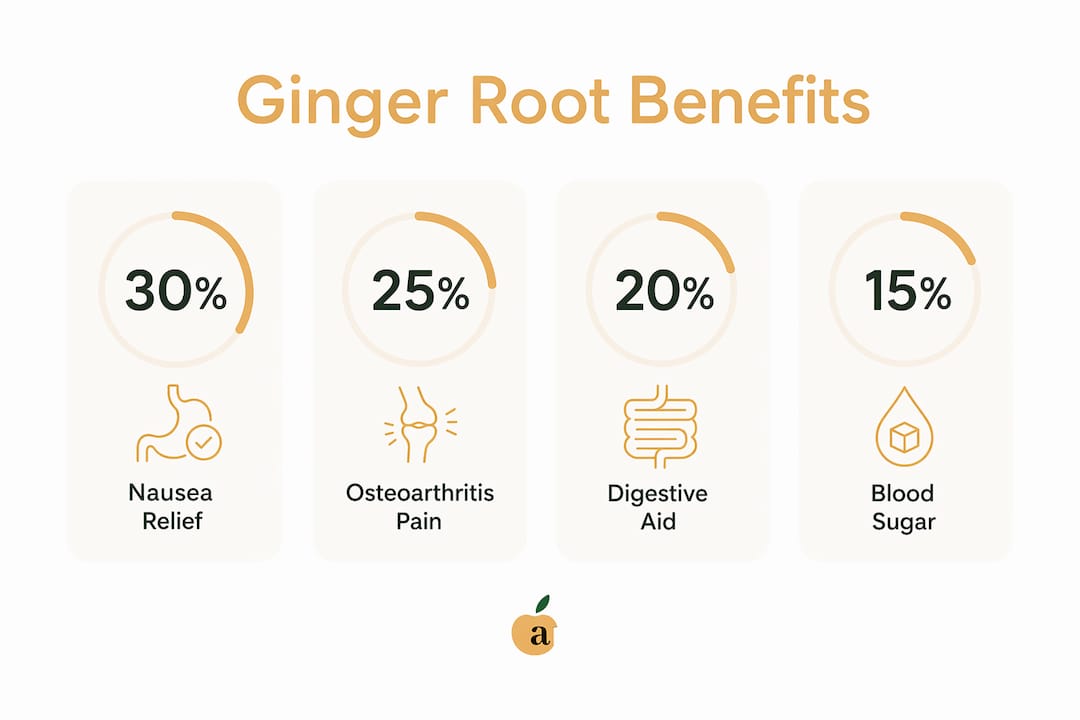
Ginger’s antiemetic effect in pregnancy is its most robustly supported clinical use. An umbrella review of meta-analyses found consistent evidence across systematic reviews for reducing nausea in early pregnancy. Postoperative and chemotherapy-induced nausea also show positive results, though effect sizes vary by study design. This is not folk wisdom — it is one of the few herbal indications with genuine meta-analytic backing.

Osteoarthritis pain (evidence: moderate)
The same umbrella review identified analgesic effects in osteoarthritis as a second well-supported indication. Ginger appears to reduce knee pain scores and improve physical function, likely through its inhibition of inflammatory mediators. The effect is meaningful but modest — comparable to low-dose NSAIDs in some trials, without the gastric side effects at typical doses.
Digestive motility (evidence: moderate)
Gingerol speeds gastric emptying, which is why ginger relieves bloating, intestinal gas, and the sluggish digestion that follows a heavy meal. For readers managing digestive discomfort, this is one of the most practical everyday applications. If you are specifically looking at digestive support for women during hormonal transitions, ginger’s motility effect is worth noting alongside targeted products.
Glycaemic effects (evidence: limited to moderate)
Trials show variable results for blood sugar modulation. Some studies report modest reductions in fasting glucose and HbA1c in people with type 2 diabetes, but the evidence is not consistent enough to rely on ginger as a primary glycaemic intervention. It may complement a broader diabetes management plan, but it does not replace prescribed medication.
A note on form: Dietary ginger (a few grams in food or tea) delivers mild, cumulative effects. Concentrated extracts deliver predictable gingerol/shogaol doses and are what clinical trials typically use. The distinction matters when you are trying to replicate a study outcome rather than simply support general wellness.
Who should be careful with ginger, and why?
Ginger is safe at dietary amounts for most people. At supplement doses, the picture changes.
Common side effects
Heartburn, reflux, mild diarrhoea, and mouth irritation are the most frequently reported adverse effects, particularly at doses above 3 g/day. These are dose-related and usually resolve when the dose is reduced.
Drug interactions to watch
- Anticoagulants (warfarin, heparin): High-dose ginger supplements may potentiate anticoagulant effects, increasing bleeding risk. Monitor INR closely if you are on warfarin and begin supplementing.
- Antiplatelet medicines (aspirin, clopidogrel): Similar additive effect on platelet aggregation inhibition.
- Blood glucose-lowering agents (metformin, insulin, sulphonylureas): Ginger may lower blood glucose independently; combining it with prescribed hypoglycaemics risks hypoglycaemia.
- Antihypertensives: Rare reports of additive hypotensive effects at very high doses.
High-risk groups
- People with cardiac arrhythmias or uncontrolled hypertension: rare adverse events including arrhythmia and hypotension have been reported at very high doses
- Pregnant women: dietary ginger is generally considered safe for nausea in the first trimester, but high-dose supplementation should only proceed with obstetric approval
- Pre-surgical patients: stop supplementation at least two weeks before any planned surgery due to antiplatelet effects
Pro Tip: If you are on any prescribed medicine and want to start a ginger supplement, take the product label to your pharmacist. They can check the dose against your current medicines in under five minutes — far quicker than waiting for a GP appointment.
When to seek medical advice: persistent heartburn, unusual bruising, unexpected drops in blood sugar, or palpitations after starting supplementation are all reasons to stop and contact your GP.
How to use ginger in the kitchen and for simple home remedies
Fresh ginger is one of those ingredients that rewards a little technique. The difference between a flat, barely-there ginger flavour and a sharp, warming infusion usually comes down to preparation method, not quantity.
Fresh ginger tea (the most practical home remedy)
- Cut a small piece of fresh root suitable for brewing tea.
- Leave the skin on if the root is organic — many active compounds sit just beneath the skin.
- Grate rather than slice. Grating increases surface area and significantly improves extraction of gingerols into the liquid.
- Place the grated ginger in a small saucepan with 400 ml of water.
- Bring to a gentle simmer and hold for 10–20 minutes. A longer simmer produces a stronger, more therapeutically active infusion.
- Strain into a mug. Add honey and lemon to taste.
- Refrigerate any leftover brewed tea in a sealed jar — it keeps for 5–7 days and reheats well.
Other preparations worth knowing
- Stir-fries and curries: Peel and grate or finely mince fresh root. Add at the same time as garlic, early in the cook, so the flavour mellows into the dish.
- Baking: Ground dried ginger works best here. It disperses evenly through batter and dough in a way fresh root cannot.
- Ginger syrup: Simmer equal weights of grated ginger and caster sugar with enough water to dissolve. Strain after 20 minutes. The resulting syrup keeps in the fridge for two to three weeks and works in cocktails, cordials, and salad dressings.
- Crystallised (stem) ginger: The UK’s traditional form. Buy it ready-made or make your own by simmering peeled root in sugar syrup until translucent, then coating in granulated sugar.
- Pickling: Thinly sliced young ginger, submerged in rice vinegar with a pinch of salt and sugar, produces a quick pickle ready in 24 hours.
Peeling: optional for organic root, worth doing for non-organic. A teaspoon edge removes the skin more efficiently than a peeler without wasting flesh.

Fresh root, dried spice, teas and extracts: which form should you choose?
The form you choose depends entirely on your goal. Culinary use and mild tonic effects do not require a supplement. Predictable therapeutic dosing does.
| Form | Potency consistency | Culinary use | Therapeutic use | Convenience |
|---|---|---|---|---|
| Fresh root | Variable (cultivar, age) | Excellent | Mild/tonic | Moderate |
| Dried/ground powder | Moderate | Good (baking) | Mild/tonic | High |
| Ginger tea bags | Low | Good | Mild | Very high |
| Standardised extract capsules | High (labelled %) | Not applicable | Strong | Very high |
Clinical trials almost exclusively use standardised extract capsules at doses of 0.5–3 g/day because fresh root potency varies with growing conditions, cultivar, and harvest time. If you want to replicate the dosing used in osteoarthritis or antiemetic trials, a standardised extract is the only form that delivers a predictable gingerol/shogaol content per dose.
Supplement label checklist for UK shoppers:
- Standardised gingerol or shogaol percentage clearly stated on the label
- Extract ratio declared (e.g. 20:1 means 20 g of root per 1 g of extract)
- Dose per capsule in milligrams
- No fillers, binders, or synthetic additives
- Third-party testing or certification noted
- Suitable for vegans if that matters to you
Pro Tip: A label that lists only “ginger root powder” with no extract ratio or standardised marker is almost certainly a whole-herb powder, not a concentrated extract. The two are not equivalent in potency. Check the supplement ingredient type before you buy.
For readers who want to understand why high-potency plant extracts outperform whole-herb powders for targeted use, the distinction in bioavailability and dose consistency is significant.
Where to buy ginger in the UK and how to store it properly
Fresh ginger is widely available across the UK, but quality varies considerably between sources.
Where to buy
- Supermarkets (Tesco, Sainsbury’s, Waitrose, Morrisons): Reliable for fresh root year-round. Quality is consistent but rarely exceptional.
- Asian and Caribbean grocers: Often the best source for fresh, firm root at lower prices. Turnover is high, so the root tends to be younger and more aromatic.
- Farmers’ markets: Seasonal and less common, but occasionally you will find UK-grown or freshly imported root with noticeably better flavour.
- Online retailers and specialist herb suppliers: Useful for organic root, dried slices, and powdered forms in larger quantities.
- Health food shops (Holland & Barrett and independents): Good for organic ginger root, dried forms, and supplement capsules.
How to pick fresh root
- Firm to the touch with no soft spots or shrivelled patches
- Taut, thin skin — thick, papery skin suggests age
- Snaps cleanly rather than bending
- Larger, fewer-knobbed pieces are easier to peel and grate
- A blue or green tinge to the flesh is harmless
Storage
- Fridge (unpeeled): Up to three weeks in the crisper drawer, loosely wrapped or in a paper bag
- Freezer: Wash, dry, and freeze whole, sliced, or grated. Frozen ginger grates directly from frozen with no thawing needed, and keeps for several months
- Brewed ginger tea: Refrigerate in a sealed jar for up to 5–7 days
- Ground powder: Store in an airtight container away from heat and light; best used within six months of opening for full flavour
When a supplement may suit you better than dietary use: if you need consistent daily dosing for a specific symptom (chronic joint pain, recurrent nausea), cooking with fresh ginger will not deliver the predictable amounts used in clinical trials. A standardised capsule removes the guesswork.
How to grow ginger at home in the UK
Ginger is a tropical plant, but it grows well in pots on a warm windowsill, in a heated greenhouse, or outdoors during the British summer. The key is heat and humidity — both of which you can manage indoors.
Step-by-step planting guide
- Choose your rhizome. Buy fresh, plump, organic ginger from a supermarket or garden centre. Look for pieces with visible “eyes” (small, pale growth buds). Each section you plant should have at least two to three eyes for reliable sprouting.
- Pre-sprout (optional but recommended). Place the rhizome in a shallow tray of damp compost or wrap in a moist paper towel and leave in a warm spot (above 20°C) for one to two weeks until shoots appear.
- Prepare your pot. Use a wide, shallow container at least 30 cm across. Fill with a rich, free-draining mix: two parts loam-based compost to one part perlite or horticultural grit.
- Plant shallowly. Set rhizome sections 5 cm deep with the eyes pointing upward. Space multiple pieces at least 15 cm apart.
- Position for warmth and indirect light. A south-facing windowsill or heated greenhouse is ideal. Ginger dislikes direct harsh sun but needs warmth — aim for 20–28°C during the growing season.
- Water carefully. Keep the compost consistently moist but never waterlogged. Reduce watering in autumn as the foliage dies back.
- Feed monthly with a balanced liquid fertiliser from spring through to late summer.
Timeline and harvest
Ginger planted in late February or March in the UK will produce harvestable root by October or November — roughly eight to ten months. For “baby ginger” (young, mild, pink-tinged root), you can harvest small pieces from the edge of the pot after four to five months without disturbing the main plant.
Expected yield from a single pot: a modest 200–400 g of fresh root per growing season is realistic for a home grower. Not enormous, but enough for regular tea and cooking use.
Pro Tip: When the foliage yellows and dies back in autumn, stop watering entirely for two to three weeks before harvest. This concentrates the flavour in the rhizome and makes the skin easier to remove.
Troubleshooting
- Yellowing leaves mid-season: usually overwatering or poor drainage. Check the pot has adequate drainage holes and reduce watering frequency.
- Rot at the base: too wet and too cold. Move to a warmer spot and allow the compost to dry out before watering again.
- No sprouting after four weeks: the rhizome may be too cold. Place the pot on a heat mat or move to a warmer location above 20°C.
- Overwintering: after harvest, set aside a few healthy rhizome sections, allow them to dry for a day, then store in barely damp compost in a frost-free location. Replant the following spring.
Clinical evidence and practical dosing for ginger root
The dosing ranges used in clinical trials are more specific than most general health articles suggest. Getting this right matters, particularly for readers managing chronic symptoms.
Clinical trials and systematic reviews consistently use 0.5–3 g/day of ginger in capsule form, with trial durations ranging from a few days (for acute nausea) to twelve weeks (for osteoarthritis and glycaemic outcomes). Exceeding 4 g/day increases the risk of GI adverse events and bleeding complications in some reports.
| Indication | Typical dose range | Form used in trials | Evidence strength |
|---|---|---|---|
| Pregnancy nausea | 0.5–2 g/day | Capsules (standardised) | Strong |
| Postoperative nausea | 1–2 g single or divided | Capsules | Moderate |
| Osteoarthritis pain | 1–3 g/day for 6 weeks | Capsules (standardised) | Moderate |
| Glycaemic control | 2–3 g/day for 6 weeks | Capsules | Limited to moderate |
| Digestive motility | 1–2 g/day | Capsules or fresh root | Moderate |
Onset expectations: For nausea, effects can appear within 30–60 minutes of a single dose. For anti-inflammatory and analgesic effects in osteoarthritis, consistent daily dosing for at least four to six weeks is typically needed before meaningful pain reduction is reported. Glycaemic effects, where they occur, generally require eight weeks or more of consistent use.
The therapeutic window guidance from clinical reviews is clear: 0.5–3 g/day in capsule form for up to three months is the range used across the majority of positive trials. Below 0.5 g/day, effects are unlikely to match trial outcomes. Above 4 g/day, adverse event risk rises without proportionate benefit.
This is general information, not medical advice. Confirm dosing and suitability with your GP or a qualified healthcare professional before starting supplementation, particularly if you have an existing health condition or take prescribed medicines.
Key takeaways
Ginger root’s strongest clinical evidence covers pregnancy nausea, osteoarthritis pain, and digestive motility, with standardised extract capsules at 0.5–3 g/day delivering the most predictable results.
| Point | Details |
|---|---|
| Strongest evidence | Antiemetic use in pregnancy and osteoarthritis pain reduction are the best-supported clinical indications. |
| Effective dosing range | Clinical trials use 0.5–3 g/day in standardised capsules for most indications—do not exceed 4 g/day without medical supervision. |
| Form matters | Standardised extracts deliver consistent gingerol content; fresh root and tea provide mild tonic effects only. |
| Safety flags | Avoid high-dose supplements if you take warfarin, antiplatelet drugs, or blood glucose-lowering medicines without GP approval. |
| Vitaminb17 option | Vitaminb17’s ginger root extract capsules are filler-free, standardised, and vegan-suitable for readers seeking predictable daily dosing. |
Why standardised extracts are the honest choice
The supplement market is full of ginger products that look identical on the shelf but deliver wildly different amounts of active compounds. A whole-herb ginger powder capsule and a 20:1 standardised extract capsule can sit side by side at similar prices, yet the extract may deliver twenty times the gingerol content per dose. Most buyers never notice the difference until the product fails to do what they hoped.
What actually matters is not the milligram weight on the front of the pack — it is whether the label states a standardised active constituent percentage and an extract ratio. Without those two numbers, you are buying a spice in a capsule, not a therapeutic extract. The checklist for spotting underdosed supplements is short, but most shoppers skip it entirely.
Third-party testing matters for the same reason. A brand that publishes lab results is making a verifiable claim. One that does not is asking you to take their word for it. For a product you plan to take daily for weeks or months, that distinction is worth acting on.
Vitaminb17’s ginger root extract: pure, potent, no fillers
If you want the predictable dosing that clinical trials use, Vitaminb17’s ginger root extract capsules are built for exactly that.

What you get:
- High-potency ginger root extract, 8000 mg equivalent per serving
- No fillers, binders, or synthetic additives
- Vegan capsules
- Standardised for consistent active compound content
- Suitable for daily use as part of a targeted wellness routine
Who this suits: readers managing chronic joint discomfort, recurrent nausea, or digestive sluggishness who want a clean, concentrated extract without the variability of fresh root. If you are already familiar with single-ingredient supplement benefits, this fits that approach precisely.
Who should wait: anyone currently taking warfarin, antiplatelet medicines, insulin, or other blood glucose-lowering agents should speak to their GP before starting. Pregnant women should obtain obstetric approval first.
View the product, check the label details, and consult your GP or pharmacist before beginning high-dose supplementation.
Useful sources and further reading
Clinical and medical references:
- Ginger Root — StatPearls, NCBI Bookshelf — clinical overview of active compounds, mechanisms, therapeutic uses, and safety
- Orally consumed ginger and human health: an umbrella review — PMC — meta-analytic summary of evidence across indications and dosing ranges
- Ginger Benefits — Johns Hopkins Medicine — patient-facing guidance on uses, interactions, and monitoring
Culinary and practical references:
- Fresh Ginger Tea — Martha Stewart — step-by-step tea preparation and storage guidance
- Ginger Root Tea with Lime and Honey — The Spruce Eats — preparation tips including grating technique for maximum extraction
- Ginger — Zingiber officinale, Kew Gardens — botanical profile and cultivation notes from the Royal Botanic Gardens, Kew
UK regulatory context: Ginger supplements sold in the UK are regulated as food supplements under the Food Supplements (England) Regulations 2003. They are not licensed medicines and cannot legally carry medicinal claims. The Food Standards Agency (FSA) oversees food supplement safety in Great Britain. Third-party testing by accredited UK laboratories provides the most reliable independent verification of label accuracy and purity — look for ISO 17025-accredited lab reports when available.


